
Repiping is a major plumbing project, and it often raises many questions for homeowners. Old or damaged pipes can affect water pressure, water quality, and overall home safety. Knowing what to expect when repiping a house helps you feel prepared and reduces stress during the process. According to the Texas Water Resources Institute, aging water pipes and plumbing infrastructure can contribute to water quality issues and contamination risks as materials corrode or deteriorate over time. In this guide, you will learn how repiping works, how long it may take, how to prepare your home, and the signs that indicate repiping may be necessary.
What to Expect When Repiping a House
Understanding what to expect when repiping a house starts with knowing the process, how disruptive it can be, and what happens once the work is complete. Repiping involves removing old water lines and installing new pipes throughout your home. The process includes inspection, installation, testing, and restoration.
Steps for House Repiping
Repiping follows a structured process to ensure safety and performance. The main steps include inspection and planning, assessing pipes, installing new lines, testing the system, and restoring affected areas.
Inspection and Project Assessment
A plumber inspects your existing plumbing to identify pipe material, damage, and layout. This assessment determines scope and pipe routing.
Shutting Off Water and Accessing Walls or Floors
Water is shut off to prevent leaks. Small wall or ceiling openings are created to reach existing pipes.
Installing New Piping Throughout the Home
Old pipes are replaced with modern materials approved by local codes. New lines are routed to fixtures and appliances.
Pressure Testing and System Check
The system is tested for leaks and pressure stability. This step confirms safe and reliable operation.
Restoring Walls, Ceilings, and Fixtures
Access points are sealed after installation. Fixtures are reconnected, and basic cleanup is completed.
How Invasive Is the Process Is
Repiping does involve temporary disruption, but experienced plumbers minimize the impact. Knowing what may change helps you plan ahead.
Temporary Wall Openings or Exposed Areas
Small openings are common during repiping. These are limited to necessary access points.
Possible Short-Term Water Disruptions
Water may be unavailable during work hours. Service is usually restored daily when possible.
Clean-Up and Post-Installation Inspection
Contractors clean work areas and inspect connections. Final checks ensure everything works correctly.
How Long Does It Take to Repipe a House?
Many homeowners ask how long does it take to repipe a house because timing affects daily routines. The duration depends on home size, pipe material, and accessibility. Most repiping projects take several days rather than weeks.
Factors That Affect the Timeline
Several variables influence how quickly repiping can be completed. These factors determine labor needs and scheduling.
Pipe Material and Installation Type
PEX often installs faster than copper due to its flexibility. Material choice affects labor time.
Accessibility and Home Layout
Slab foundations and tight spaces can slow work. Open layouts often allow quicker installation.
Permitting or Inspection Requirements
Local permits and inspections can add time. Scheduling approvals may extend the project slightly.
How to Prepare Your House for Repiping
Preparation helps reduce delays and protects your belongings. Knowing what is involved in repiping a house allows you to plan ahead as well as avoid unnecessary disruptions.
Clear Access to Work Areas and Fixtures
Move furniture away from walls with plumbing. Clear under sinks and near water heaters.
Protect Furniture, Floors, and Personal Belongings
Cover items with plastic sheets. Remove fragile or valuable items from work zones.
Arrange Alternate Water Access if Needed
Plan for limited water use during work hours. Store drinking water for daily needs.
Communicate Special Concerns With the Contractor
Share concerns about pets, schedules, or sensitive areas. Clear communication avoids problems during work.
What Is Repiping a House?
Many homeowners ask what is repiping a house is when plumbing problems persist. Repiping replaces old water supply lines with new pipes to restore performance and safety. It is often recommended for aging systems or recurring plumbing issues.
Common Reasons for Repiping
Certain conditions indicate the need for a full pipe replacement rather than repairs.
Aging or Corroded Pipes
Galvanized or polybutylene pipes degrade over time. Corrosion increases leak risk.
Frequent Leaks or Low Water Pressure
Repeated repairs signal widespread pipe failure. Repiping offers a permanent solution.
Pipe Material No Longer Up to Code
Older materials may not meet current standards. Repiping ensures compliance and safety.
Benefits of Repiping
Repiping improves daily water use and long-term home reliability. It also reduces future repair needs.
Improved Water Flow and Quality
New pipes restore consistent pressure. Water tastes cleaner without corrosion.
Fewer Leaks and Maintenance Issues
Modern materials resist corrosion. This reduces emergency plumbing calls.
Long-Term Home Value Increase
Updated plumbing appeals to buyers. It also supports property inspections.
If pipe damage extends to sewer lines, understanding how to address structural issues is important. This guide on cracked sewer pipes explains related risks and prevention methods in detail.
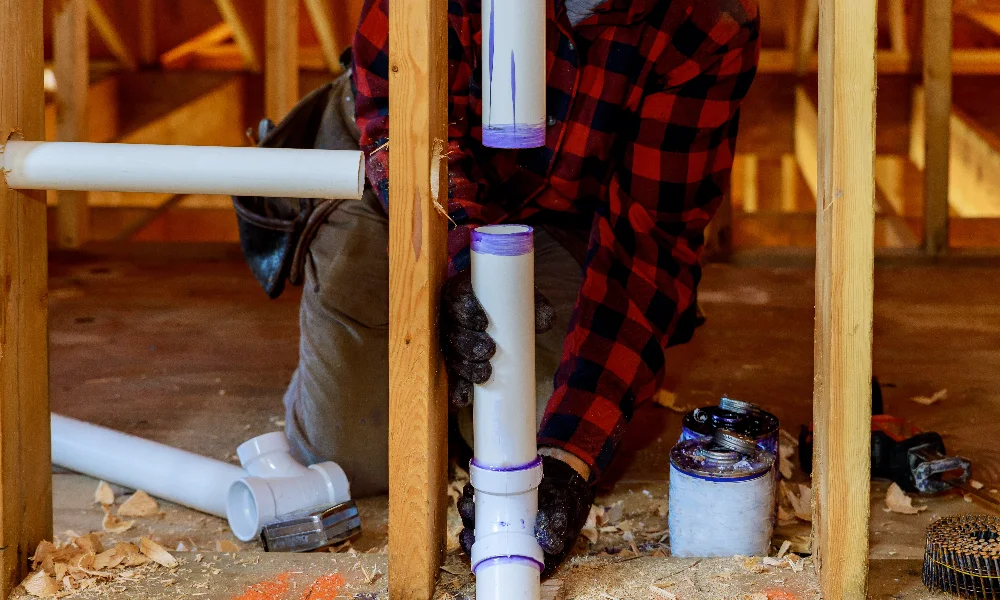
Signs Your Home May Need Repiping Soon
Recognizing warning signs early, like rusty water, low pressure, and a metallic taste, can prevent water damage. These symptoms often indicate pipe failure throughout the system.
Frequent Leaks or Rusty Water
Frequent leaks or rusty water often signal internal pipe deterioration. In older homes, similar wear can also affect sewer lines, where cracking and separation develop over time, as outlined in this guide on cracked sewer pipe causes and prevention.
Low Water Pressure Throughout the House
Pressure drops often point to restricted or damaged pipes.
Water Discoloration or Metallic Taste
Discolored water may contain rust particles. A metallic taste signals corrosion.
Pipes More Than 50 Years Old
Older homes often have outdated materials. Repiping prevents sudden failures.
Call Roto-Rooter Plumbers and Septic Service for Repiping Services in Apple Valley, CA
Repiping is a significant investment, but it protects your home and plumbing system. This guide covered what to expect when repiping a house, how long the process may take, how to prepare, and when repiping is necessary. If you are dealing with aging pipes, leaks, or low water pressure, a professional evaluation matters. Contact Roto-Rooter Plumbers and Septic Service to discuss your plumbing concerns and schedule expert repiping services in Apple Valley, CA. Our expert crew can assess your system and help restore reliable water flow to your home.