
That steady drip from your outdoor faucet is not harmless. It quietly wastes water, raises your utility bill, and can seep into the wall behind it. When you know how to repair an exterior faucet, you protect both your plumbing and your home’s structure. Most outdoor leaks begin with simple wear inside the valve, but if ignored, they grow into bigger problems. With the right approach, you can spot the cause early, address it safely, and prevent long-term damage.
How to Repair an Exterior Faucet
To properly repair an exterior faucet, you need to understand how the hose bib works and where leaks usually begin. Exterior faucets contain internal washers, O-rings, valve stems, and packing nuts that control pressure and seal water inside. When one part wears down, water escapes either from the spout, the handle, or behind the wall. Acting quickly reduces water waste and prevents structural damage.
Follow these steps to repair an exterior faucet:
Identify the Source of the Leak
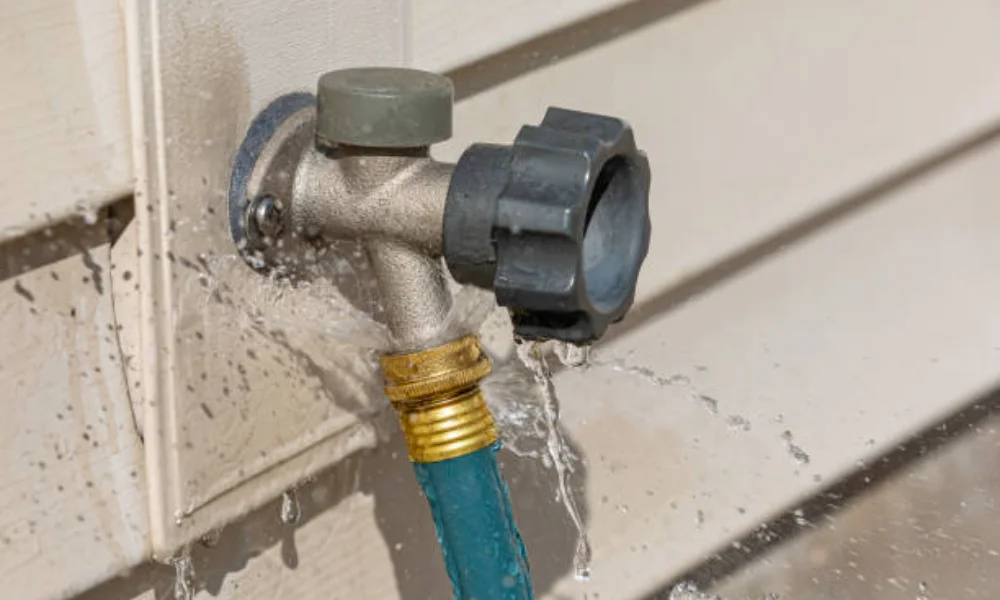
Start by observing where the water appears. A leak from the spout when the faucet is off usually means the internal washer has deteriorated. Water around the handle often points to packing nut or O-ring failure. However, moisture stains on siding or drywall may signal pipe damage inside the wall.
Turn off the water supply before disassembly. Open the faucet to release pressure. Careful inspection helps you determine whether you can fix a leaking exterior faucet with minor parts or whether deeper issues exist.
Tighten or Replace Worn Washers and O-Rings
Washers seal the valve seat when you turn the faucet off. Over time, rubber compresses, cracks, or hardens, which allows water to pass through. After shutting off the supply, remove the handle and stem assembly. Inspect the washer at the base. If it appears flattened or brittle, replace it with the same size and material. O-rings around the stem also wear out and cause handle leaks. Replace them carefully and lubricate lightly with plumber-approved grease.
This step often resolves minor leaks and allows you to fix a leaking exterior faucet without replacing the entire unit. However, avoid overtightening screws during reassembly, since that can damage new seals.
Repair or Replace a Damaged Hose Bib Packing Nut
The packing nut sits behind the handle and compresses packing material around the valve stem. If water leaks only when the faucet is turned on, this area is likely the cause. First, try tightening the packing nut gently. Use moderate pressure. If tightening does not stop the leak, remove the nut and replace the internal packing material.
When done correctly, this small adjustment can restore a secure seal. But if the stem threads are worn or corroded, the leak may return. In that case, more advanced exterior water faucet repair may be required.
Replace a Cracked or Corroded Spigot With Professional Assistance
Sometimes the faucet body itself becomes cracked or heavily corroded. Hard water minerals, constant sun exposure, and freezing cycles weaken metal over time. Visible cracks, flaking metal, or persistent leaks often signal structural damage. Replacement requires disconnecting the faucet from the interior supply line. If done incorrectly, you may damage pipes behind the wall.
Professional plumbers evaluate wall penetrations and ensure proper pipe support. This type of exterior water faucet repair protects your home from hidden leaks and insulation damage.
If you want to better understand why faucets fail repeatedly, this detailed resource explains common causes: https://www.rotorooterhighdesert.com/why-do-faucets-leak. Knowing the root cause prevents repeat problems.
Call a Professional to Address Pipe Damage Behind the Exterior Wall
If you notice interior drywall stains, bubbling paint, or moldy odors near the faucet location, the supply pipe inside the wall may have cracked. Freeze damage is a frequent cause. Standard outdoor faucets retain water inside the pipe, which expands when frozen. That expansion can split copper or PEX lines.
At this point, do not attempt invasive wall removal. Licensed plumbers use inspection tools to locate pipe fractures accurately. When pipe damage exists, professionals will repair the supply line and ensure the new faucet connection remains secure.
Do You Need to Repair or Replace an Exterior Water Faucet?
Deciding between repair and replacement depends on the faucet’s internal condition, age, and leak frequency. Minor seal wear usually responds well to simple part replacement. However, repeated breakdowns or corrosion inside the faucet body often justify replacement. A careful evaluation saves time and prevents ongoing water waste.
Signs You Need to Repair
Small performance issues often indicate manageable wear.
Water Dripping When the Faucet Is Off
When water continues to drip after the shutoff, the internal washer is usually worn or compressed. Even a slow drip can waste significant water over time. The American Water Works Association notes that undetected leaks and system inefficiencies are major contributors to water loss in residential plumbing systems. Addressing a dripping exterior faucet early prevents unnecessary waste and reduces long-term strain on your plumbing components.
Reduced Water Pressure at the Spigot
Low pressure at only the outdoor faucet often indicates mineral deposits or debris inside the valve body. Hard water minerals can gradually narrow the internal passage. Cleaning the valve assembly or replacing worn internal parts typically restores normal flow without affecting the rest of your plumbing system.
Water Stains or Moisture on the Exterior Wall
Moisture marks near the faucet connection may signal packing nut leakage or a failing seal behind the wall. Even minor seepage can damage sheathing or insulation over time. Early correction prevents structural deterioration and reduces the risk of mold growth inside wall cavities.
Rust, Mineral Buildup, or Visible Cracks
Surface corrosion is common on older hose bibs, but deep pitting or hairline cracks weaken the faucet body. Internal corrosion around the valve seat can prevent washers from sealing properly. Careful inspection determines whether a component replacement is sufficient or a full faucet replacement is safer.
Signs You Need to Replace
Certain issues suggest the faucet has reached the end of its service life.
Significant Corrosion Inside the Faucet Body
When corrosion reaches the valve seat or internal threads, the faucet can no longer form a dependable seal. Pitting inside the body prevents washers from seating evenly, which leads to recurring drips. In this condition, full replacement is more reliable than continued part swaps.
Repeated Leaks Despite Multiple Fixes
If leaks return after replacing washers and O-rings, the internal valve stem or seat may be worn beyond tolerance. Over time, metal components erode from friction and mineral exposure. Continued attempts to repair an exterior faucet in this state often provide only short-term relief.
Cracked Pipes or Wall Penetrations
A cracked supply pipe inside the wall indicates pressure stress or freeze expansion. Simply replacing the spigot will not solve the root issue. Repairing the pipe and installing a properly supported faucet connection restores structural integrity and prevents concealed water damage.
Freeze Damage to a Non-Frost-Free Faucet
Standard hose bibs retain water inside the supply line, which can freeze and expand in colder temperatures. That expansion may split the pipe several inches behind the wall surface. Upgrading to a frost-free faucet relocates the shutoff valve deeper inside the heated space, reducing the risk of hidden fractures.
How to Prevent Future Exterior Faucet Problems
Prevention reduces emergency repairs and protects your plumbing system. Exterior faucets face temperature swings, hose strain, and mineral buildup. Simple habits extend their lifespan significantly.
Use Insulated Covers During Winter
Cold exposure is one of the leading causes of exterior faucet failure. Installing an insulated cover before temperatures drop helps slow heat loss at the wall opening. In addition, disconnecting hoses prevents trapped water from freezing inside the spigot, which reduces the risk of internal pipe splitting.
Check Connections Regularly for Wear
Hose washers and threaded connections wear down gradually from pressure and movement. Inspect them every few months for cracks, flattening, or mineral buildup. Replacing small rubber gaskets early prevents slow leaks that can strain the faucet body and waste water over time.
Avoid Overtightening Hoses and Attachments
Overtightening is a common cause of damaged threads and distorted washers. When washers compress unevenly, they fail to seal properly and may cause persistent drips. Hand-tightening until snug is sufficient, and replacing worn washers is always safer than applying extra force.
FAQs
What Are the Most Common Causes of Exterior Faucet Leaks?
Worn washers, deteriorated O-rings, loose packing nuts, corrosion, and freeze damage are common causes. Hard water minerals also accelerate internal wear.
How Do You Fix a Leaking Exterior Faucet?
First, shut off the water supply and inspect the leak source. Replace worn washers or O-rings and tighten the packing nut if needed. If the faucet body or wall pipe is damaged, professional service is recommended.
What Is the Life Expectancy of an Outdoor Faucet?
Most outdoor faucets last between 10 and 20 years with proper maintenance. Climate conditions and water quality affect longevity.
Call Roto-Rooter High Desert for Reliable Exterior Water Faucet Repair in Apple Valley, CA
Knowing when to repair an exterior faucet and when to replace it protects your home from costly water damage. Minor leaks often involve washers or packing nuts, but corrosion and freeze damage may require full replacement. Acting early prevents hidden wall damage and water waste.
If you need dependable exterior water faucet repair in Apple Valley, CA, contact Roto-Rooter High Desert. Our experienced plumbing team provides safe diagnostics and lasting solutions tailored to local conditions. Schedule professional service today and protect your home year-round.