
You may not think twice before flushing, but toilet paper can impact your plumbing more than you expect. Many homeowners worry about too much toilet paper clogging a sewer line, especially when drains slow down or backups occur. This issue matters because it can lead to costly repairs and unpleasant conditions. Here you will learn how toilet paper behaves in pipes, what causes clogs, warning signs to watch for, and how to prevent serious sewer line problems.
Can Too Much Toilet Paper Clog a Sewer Line?
Yes, too much toilet paper clogging a sewer line is possible, especially when several factors combine. While toilet paper is generally designed to break down, it still needs proper water flow and pipe conditions to move smoothly. When that balance is disrupted, paper may not disperse evenly and can begin to collect inside the line. Over time, this restricts movement through the pipe and puts excessive strain on your plumbing system. This is why even a material meant to dissolve can still contribute to blockages when conditions inside the sewer line are not working efficiently.
Large Amounts Flushed at Once
Flushing excessive toilet paper in one go overwhelms the system. Even dissolvable paper needs time and water to break apart. When large clumps move together, they can stick inside bends or narrow sections of the pipe.
Low-Flow or Weak Flush Systems
Modern low-flow toilets save water but may lack strong pressure. This reduced force makes it harder to push paper through the system. As a result, the paper may settle and begin forming a blockage over time.
Existing Buildup Inside Pipes
Grease, soap residue, and debris often line the inside of sewer pipes. Toilet paper easily sticks to these rough surfaces. Over time, layers build up, restricting flow and esclating the risk of clogs.
Tree Roots or Pipe Damage
Underground pipes can develop cracks or allow tree roots to enter. These obstructions catch toilet paper as it passes through. Even normal use can turn into a blockage when the pipe condition is compromised.
Signs that Toilet Paper Is Clogging Your Sewer Line
Toilet paper clogs rarely happen overnight. Instead, your plumbing system reacts gradually as flow becomes restricted and pressure starts to build inside the pipes. These changes often affect how efficiently wastewater moves through your home, which can impact multiple fixtures at once. If ignored, the restriction can worsen and lead to more serious drainage or sewer line problems. Recognizing these early helps you take timely action and avoid pretty expensive repairs or damage to your plumbing system.
Slow Drains Throughout the Home
If sinks, tubs, and toilets all drain slowly, the problem may be in the main sewer line. Toilet paper buildup restricts water flow, which causes drainage delays across multiple fixtures.
Frequent Toilet Backups
A toilet that backs up often is a strong sign of a developing clog. When paper cannot move freely, it creates pressure that pushes waste back into the bowl.
Gurgling Sounds From Drains
Air trapped in blocked pipes creates unusual noises. You may hear gurgling when flushing or draining water. This happens because water struggles to pass through partial blockages.
Sewage Odors Indoors or Outdoors
Clogs can trap waste in the line, leading to unpleasant smells. These odors may appear inside your home or near outdoor sewer access points.
According to the United States Environmental Protection Agency, sewer system blockages are one of the primary causes of sanitary sewer overflows, which can lead to wastewater backing up into homes and creating serious property and health risks. This highlights how even everyday materials like toilet paper can contribute to larger plumbing issues when conditions are not ideal.
Ways to Address Toilet Paper Blockages in a Sewer Line
Handling a toilet paper blockage depends on its severity. In some cases, simple methods help restore flow, but deeper clogs require professional tools and expertise.
How to Dissolve Toilet Paper in a Sewer Line
Breaking down paper buildup is often the first step. These methods focus on dissolving toilet paper in a sewer line safely and effectively.
Use Enzyme-Based Drain Cleaners
Enzyme-based cleaners use natural bacteria and enzymes to break down organic waste, including toilet paper, inside the pipe. These products are widely recommended by plumbing professionals because they clean without corroding pipe materials or harming septic systems. However, they work slowly and require consistent use, which makes them suitable for early-stage buildup or routine maintenance rather than emergency clogs.
Flush the Line With Hot Water
Hot water helps soften compacted paper and improves its movement through the pipe. When used correctly, it supports dissolving toilet paper in a sewer line by loosening fibers and reducing clumping. However, the water must flow freely for this to be effective, and extremely hot water should be avoided in certain pipe materials. This method works best as a supportive step, not a standalone fix for deeper or stubborn blockages.
When Dissolving Isn’t Enough
Some clogs are too dense or deep to break down easily. In these situations, mechanical or professional solutions become necessary.
Use a Plunger or Auger for Minor Blockages
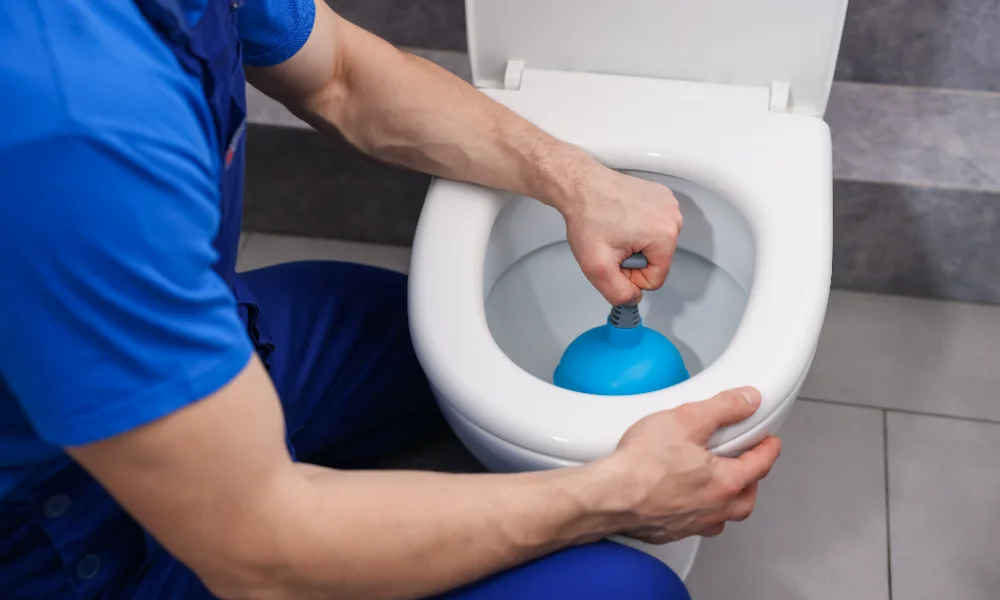
A plunger creates controlled pressure that helps dislodge and move soft blockages through the pipe. When used with a proper seal, it can restore flow without damaging fixtures. For slightly deeper clogs, a hand auger (drain snake) is more effective because it physically reaches into the pipe and breaks apart compacted toilet paper. However, correct handling is important, as forcing the tool too aggressively can scratch or damage internal pipe surfaces.
Contact a Professional Plumber for Severe or Persistent Blockages
If the problem continues, professional help becomes necessary to prevent further damage. Licensed plumbers use diagnostic tools such as sewer cameras to pinpoint the exact location and cause of the blockage. Based on this, they may use methods like hydro jetting, which clears the pipe walls using high-pressure water. This approach not only removes the clog but also restores proper flow conditions, reducing the risk of repeated sewer line issues.
If your system frequently struggles, you can learn more about long-term solutions in this helpful guide on main sewer line clogging issues and solutions.
How to Prevent Toilet Paper Clogs
Prevention is always easier and less expensive than repairs. By adjusting simple habits, you can reduce the risk of too much toilet paper clogging a sewer line and maintain smooth drainage.
Here is what to do:
Use Septic-Safe or Rapid-Dissolving Toilet Paper
Not all toilet paper breaks down at the same rate. Septic-safe options dissolve faster, reducing the chance of buildup inside pipes.
Flush Smaller Amounts at a Time
Using moderate amounts of toilet paper helps the system handle waste properly. If needed, flush more than once instead of overloading the toilet.
Avoid Flushing Wipes or Paper Towels
Unlike toilet paper, wipes and paper towels do not dissolve easily. They can combine with paper and create stubborn blockages.
Schedule Routine Sewer Line Maintenance
Regular inspections and cleanings keep your sewer line in good condition. Professionals can identify early signs of buildup, root intrusion, or damage before they turn into major problems. This also supports better dissolving of toilet paper in a sewer line by keeping pipes clear and smooth.
FAQs
How Long Does It Take for Toilet Paper to Dissolve in Pipes?
Toilet paper begins breaking down within minutes when exposed to water. However, complete dissolution depends on water flow, pipe condition, and paper quality. In slow-moving systems, it may take much longer.
How Do You Unclog a Toilet After Too Much Toilet Paper?
Start with a plunger to create pressure and move the blockage. If that fails, use a toilet auger to reach deeper clogs. For recurring issues, professional inspection is the safest option.
Call Roto-Rooter Plumbers for Reliable Sewer Line Repair in Apple Valley, CA
Dealing with sewer line problems can quickly become stressful. As you’ve seen, toilet paper alone can contribute to clogs when combined with weak flushing, buildup, or pipe damage. Paying attention to early signs and using proper habits can help you avoid serious issues.
If your drains keep slowing down or backing up, it’s time to get expert help. The team at Roto-Rooter High Desert provides reliable sewer line inspection, cleaning, and repair services in Apple Valley, CA. Contact us today to restore proper flow and protect your plumbing system before the problem worsens.