
Running a business in Hesperia means keeping every system working without interruptions, including your wastewater system. Commercial septic system maintenance plays a key role in keeping your property safe, compliant, and fully operational. If ignored, small issues can quickly turn into major problems. Here, we will discuss what commercial septic maintenance involves, the warning signs to watch for, and how to keep your system working efficiently.
What Is Commercial Septic System Maintenance?
Commercial septic system maintenance involves regular inspection, pumping, and performance checks that keep large-scale systems working properly. These systems handle higher wastewater loads, which means issues like buildup, flow imbalance, or component wear develop faster. Differences between residential and commercial setups also affect how often service is needed and how systems are designed to handle demand.
Differences Between Residential and Commercial Septic Systems
Commercial systems are built to manage higher volumes of wastewater every day. This is because businesses like restaurants, offices, and hotels generate continuous usage. Residential systems, however, deal with lower and more predictable flow.
Commercial tanks are usually larger and may include multiple chambers. These chambers separate solids more efficiently but also require more frequent monitoring. If one section fails, it can affect the entire system.
Usage patterns also vary. A commercial property may experience peak loads during business hours. This uneven flow can stress the system, especially if it is not sized correctly.
Another key difference is waste type. Commercial setups often handle grease, chemicals, and other materials. These can disrupt bacterial activity inside the tank, which is essential for breaking down waste. That is why maintaining the septic system in a commercial setting requires stricter control and professional oversight.
What Type of Maintenance Does a Commercial Septic System Require?
A commercial septic system needs consistent care to avoid failure under heavy use. Regular pumping removes accumulated solids, while inspections ensure that tanks, baffles, and filters work correctly. At the same time, drain field performance and wastewater flow must stay balanced to prevent overload and system breakdown.
Routine Septic Tank Pumping
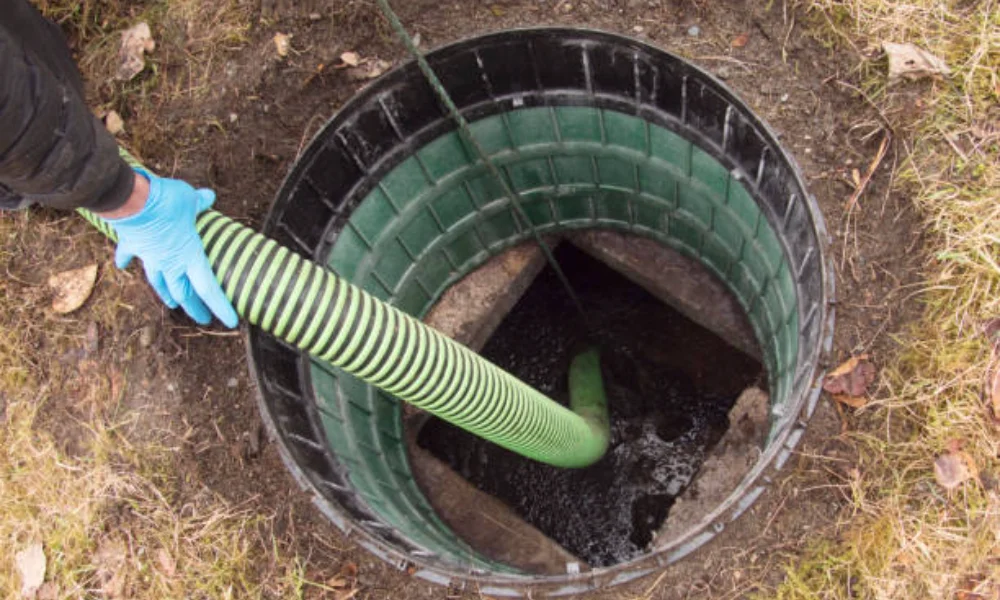
Pumping removes sludge and scum layers that build up over time. If left unchecked, these layers reduce the tank’s capacity and allow solids to enter the drain field. For commercial properties, pumping schedules are usually more frequent than residential ones. This is because higher usage leads to faster accumulation. Delaying pumping can cause blockages and system backups.
According to the U.S. Environmental Protection Agency, septic systems should be inspected every 3 years and pumped as needed, depending on usage. Regular pumping supports maintaining the septic system by preventing solids from damaging downstream components.
Inspection of Tanks, Baffles, and Components
Inspections focus on structural and functional parts of the system. Baffles, which guide wastewater flow, can break or shift over time. When this happens, solids may move into areas where they should not go.
Professionals also check filters, lids, and tank walls. Cracks or leaks can allow groundwater to enter the system. This reduces efficiency and may overload the drain field. Routine inspections help identify early wear. Fixing small issues early prevents costly repairs later.
Drain Field Evaluation
The drain field is where treated wastewater is absorbed into the soil. If this area becomes saturated or clogged, the entire system can fail. Professionals check for soil absorption capacity and signs of compaction. Heavy equipment or parking over the drain field can damage it. This reduces its ability to treat wastewater.
A proper evaluation ensures that water disperses evenly. This protects both the system and the surrounding environment.
Monitoring Wastewater Flow and Capacity
Flow monitoring helps ensure that the system handles daily usage without stress. Commercial properties often experience sudden spikes in water use. This can overwhelm the system if not managed.
Professionals may assess water usage patterns and compare them with system capacity. If the system is undersized, upgrades may be needed. Tracking flow is an important part of commercial septic system maintenance, as it helps prevent overload and ensures consistent performance.
Signs a Commercial Septic System Needs Maintenance
Septic systems rarely fail without warning. Early signs often appear in plumbing fixtures, outdoor areas, or system performance. Paying attention to these signals helps you act before the problem becomes severe.
Slow Drains or Backups in Multiple Fixtures
If sinks, toilets, and floor drains start slowing down together, the issue may not be a simple clog. It often points to a system-wide problem. This happens when the tank is full or when wastewater cannot flow properly. Backups can occur in lower-level fixtures first, which is a clear warning sign. Ignoring this can lead to wastewater entering your property, posing health risks, and disrupting your business.
Unpleasant Odors Around the Property
Strong sewage odors near drains or outdoor areas often indicate a problem. These smells occur when gases escape due to improper venting or system overload. Odors near the drain field may suggest that wastewater is not being absorbed correctly. This can happen when the soil becomes saturated or clogged. Persistent odors should not be ignored, as they often signal deeper issues within the system.
Standing Water Near the Drain Field
Pooling water in the drain field area is a serious concern. It usually means that the soil cannot absorb wastewater effectively. This may be caused by clogged pipes, excessive water usage, or system failure. Standing water can also carry contaminants, which may affect nearby areas. Prompt action is necessary to prevent environmental damage and costly repairs.
Increased Frequency of Plumbing Issues
Frequent clogs, gurgling sounds, or inconsistent drainage often indicate underlying septic issues. These issues may seem minor at first, but they usually indicate that the system is struggling. Recurring problems suggest that the tank or drain field is not functioning properly. Addressing the root cause is imperative for long-term reliability.
How to Maintain a Septic System in a Commercial Property
Keeping a commercial septic system in good condition requires consistent planning and responsible usage. Regular pumping and inspections keep components working properly, while managing water usage prevents overload. At the same time, controlling what enters the system protects bacterial balance and prevents blockages.
Schedule Regular Pumping and Inspections
Set a maintenance schedule based on your property’s usage. High-traffic businesses may need more frequent service. Professional inspections help detect issues early. This reduces downtime and prevents unexpected failures.
If you are unsure about proper care steps, you can review this helpful guide on cleaning septic tank filters and maintenance practices to better understand system upkeep. Consistent service is the foundation of maintaining the septic system effectively.
Manage Water Usage and Waste Disposal
Controlling water usage reduces stress on the system. Fix leaks quickly and use water-efficient fixtures where possible. Train staff on proper waste disposal. Excessive water flow combined with improper waste can overwhelm the system. Balanced usage helps maintain steady operation and prevents sudden overload.
Prevent Grease, Chemicals, and Non-Flushable Materials
Grease and oils can solidify inside pipes and tanks. This creates blockages that are difficult to remove. Chemicals can kill beneficial bacteria inside the tank. Without these bacteria, waste breakdown slows down. Non-flushable items like wipes and paper towels can clog the system. Keeping these materials out is essential for smooth operation.
FAQs
How Often Should a Commercial Septic Tank Be Pumped?
The frequency depends on usage, tank size, and waste type. Many commercial systems need pumping every few months to a year. High-use facilities may require more frequent service.
How Long Does a Commercial Septic System Last?
With proper care, a commercial septic system can last 20 to 40 years. However, components such as pumps and filters may need to be replaced sooner. Regular inspections and timely repairs significantly extend the system’s lifespan.
What Is The Best Thing to Put In Your Septic Tank to Keep It Clean?
A healthy septic system relies on natural bacteria to break down waste. Avoid adding chemicals or additives unless recommended by professionals. Proper usage and routine maintenance are more effective than relying on products.
Call Roto-Rooter Plumbers for Commercial Septic Pumping and Maintenance in Apple Valley, CA
Keeping your system reliable requires consistent care, attention to warning signs, and professional support. From regular pumping to detailed inspections, every step plays a role in preventing breakdowns and protecting your business operations.
If you want dependable service backed by real expertise, Roto-Rooter High Desert offers professional septic solutions tailored for commercial properties. Our team understands local conditions and system demands, helping you avoid costly issues and maintain long-term performance. Contact us now!