
Your septic system might be out of sight, but it should never be out of mind. If you’ve ever wondered whether you’re staying on top of maintenance, understanding how to pump a septic tank is key to avoiding messy and expensive problems. When waste builds up unnoticed, it can quickly lead to backups, odors, and system failure. In this guide, you’ll learn how the process works, when it should be done, and how to spot early warning signs before they turn into serious issues.
How Professionals Pump a Septic Tank
Proper septic pumping involves more than just removing waste; it ensures the entire system is functioning as intended. Over time, solids settle and form layers that can restrict flow and strain key components, which is why pumping a septic tank must be done with precision. Professionals follow a controlled approach that protects the tank structure, prevents contamination, and maintains bacterial balance inside the system.
This careful handling not only improves performance but also assits extend the lifespan of your septic setup. Here is how pros pump a septic tank:
Locate and access the septic tank lid
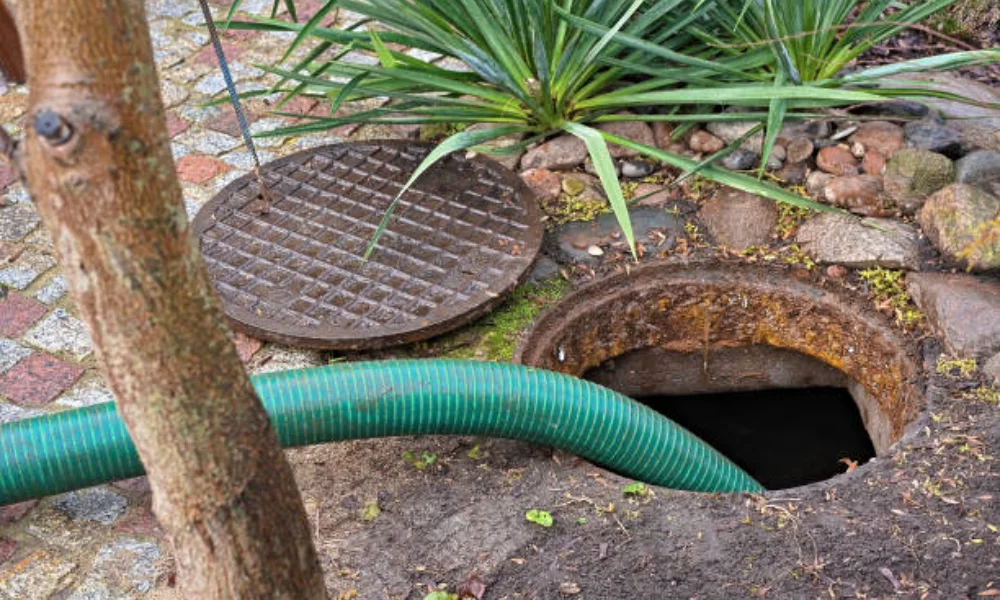
Technicians first identify the tank’s exact location using property records or inspection tools. The lid is carefully uncovered without damaging the surrounding soil or landscaping. Proper access is essential because forcing entry can crack the tank or disturb pipes.
Inspect sludge and scum levels
Before pumping, professionals measure sludge at the bottom and scum at the top. This step helps determine how full the tank is and whether pumping is overdue. It also gives insight into how well the system has been functioning over time.
Use vacuum equipment to remove waste safely
High-powered vacuum trucks remove solid and liquid waste without contaminating the surrounding area. This process ensures complete extraction, which manual methods cannot achieve. Safe disposal follows strict environmental guidelines to prevent pollution.
Check and clean internal components
After pumping, the technician inspects baffles, filters, and inlet and outlet pipes. Cleaning these parts improves flow and prevents blockages. For example, a clogged filter can cause backups even if the tank is empty, which is why services like septic tank filter cleaning are often recommended alongside pumping.
Secure the lid and restore system operation
Once the work is complete, the lid is sealed tightly to prevent leaks and odors. The area is restored to its original condition. This final step ensures the system operates safely without exposing it to external contamination.
How Often to Pump a Septic Tank
The timing of septic pumping depends on several practical factors rather than a fixed schedule. While many homes require service every 3 to 5 years, your situation may vary based on usage and system size. Understanding these factors helps you decide when to pump a septic tank with confidence and avoid unnecessary problems.
Factors That Affect Pumping Frequency
Household size
More people in your home means more wastewater entering the system daily. This increases sludge buildup faster, which shortens the time between pumpings.
Tank size
Larger tanks can hold more waste, allowing longer intervals between services. Smaller tanks, however, fill quickly and require more frequent attention.
Water usage habits
High water usage from long showers, frequent laundry, or heavy appliance use can overload the system. Efficient water habits slow down the buildup and extend the frequency of pumping a septic tank.
Presence of a garbage disposal
Using a garbage disposal adds food waste to the tank. This increases solid accumulation, which leads to more frequent pumping needs compared to homes without one.
Signs Your Septic Tank Needs Pumping
A septic system rarely fails without warning. Paying attention to early signs can help you act before the situation worsens. These indicators often appear gradually, but they should never be ignored because they signal rising waste levels or restricted flow.
Below are the key signs that a septic tank needs pumping:
Slow drains throughout the home
If sinks, tubs, and toilets drain slowly at the same time, the issue may be in the septic tank. This happens when waste buildup limits the system’s capacity.
Sewage backups in toilets or drains
Backups are a clear sign of a full or blocked tank. Waste has nowhere to go, so it returns through the lowest drain points in your home.
Foul odors around the yard
Strong sewage smells near the tank or drain field suggest gases escaping due to overload. This often means the tank needs immediate attention.
Standing water near the drain field
Pooling water in the yard can indicate that the system is overwhelmed. Excess liquid is forced out before proper filtration, which can damage the surrounding soil.
What Happens if You Don’t Pump Your Septic Tank
Skipping routine pumping leads to gradual but serious damage. The system becomes overloaded, and eventually, it fails to manage waste properly. These issues not only harm your property but can also create health hazards.
System Overflows and Backups
When a septic tank exceeds its holding capacity, solids and untreated wastewater can move back through the outlet pipe. This often leads to sewage backing up into toilets, tubs, or floor drains, especially at lower levels of the home. Besides structural damage, this exposure creates serious health risks due to harmful bacteria as well as pathogens present in raw sewage.
Damage to the Drain Field
As solids escape the tank, they enter the drain field and clog the soil pores that naturally filter wastewater. This disrupts proper absorption and can cause surface pooling or foul odors in the yard. Once the soil structure is compromised, restoring it is difficult, and in many cases, sections of the drain field must be replaced.
Costly Repairs or Full System Replacement
Ignoring routine maintenance increases internal pressure on the tank and connected components, leading to cracks, pipe blockages, or system failure. At an advanced stage, repairs may not restore proper function, requiring a complete system replacement. This process involves excavation, permits, and installation, making it significantly more expensive than scheduled pumping.
How to Maintain Your Septic System Between Pumpings
Regular upkeep helps extend the life of your septic system and reduces the need for frequent pumping. Small habits can make a big difference in preventing buildup and avoiding damage.
Avoid Flushing Non-Biodegradable Items
Septic systems depends on natural bacteria to break down organic waste, but materials like wipes, diapers, and hygiene products do not decompose in the tank. These items settle as a solid mass, reducing available capacity and increasing the risk of blockages in inlet and outlet pipes. Over time, this buildup can interfere with proper flow and lead to premature system failure.
Limit Grease and Chemical Use
Grease and fats may enter as liquids, but they cool and solidify inside the tank and pipes, forming dense layers that restrict wastewater movement. At the same time, strong cleaning chemicals and disinfectants can kill beneficial bacteria that digest waste. When this balance is disrupted, solids accumulate faster, which reduces system efficiency and increases maintenance needs.
Use Water Efficiently
Septic systems are designed to handle a steady flow of wastewater, not sudden surges. Excessive water use from back-to-back laundry loads or long showers can push partially treated waste into the drain field. This limits proper settling time inside the tank and increases the risk of system overload and soil saturation.
Schedule Regular Inspections
Professional inspections provide a detailed assessment of sludge levels, tank condition, and component performance. Technicians use specialized tools to measure buildup and identify early signs of wear, leaks, or blockages. This proactive approach helps determine the right service schedule and prevents unexpected system failures.
FAQs
What Are The Signs That Your Septic Tank Is Full?
Common signs include slow drains, sewage backups, foul odors, as well as standing water near the drain field. These symptoms indicate the tank cannot handle additional waste.
Can I Shower While the Septic Is Being Pumped?
It is best to avoid using water during pumping. Running water can interfere with the process and reduce its effectiveness.
What Happens If You Never Pump Your Septic Tank?
The system will eventually fail due to excessive buildup. This leads to backups, environmental contamination, and costly repairs or replacement.
Call Roto-Rooter Plumbers and Septic Service for Septic Tank Pumping in Apple Valley, CA
Keeping your septic system in good condition requires timely action and professional care. From understanding how to pump a septic tank to recognizing warning signs and maintaining the system, each step helps prevent costly issues. Regular service makes sure your system works efficiently and protects your property.
If you notice any signs of trouble or need routine maintenance, reach out to Roto-Rooter Plumbers and Septic Service in Apple Valley, CA. Our experienced team can inspect, pump, and maintain your septic system with the care it deserves.