
You don’t think much about your drains until they slow down, smell bad, or stop working altogether. By then, the problem has already built up inside your pipes. Knowing how often drains should be professionally cleaned helps you stay ahead of these issues instead of reacting to them. It keeps your plumbing reliable and reduces the risk of sudden, messy backups. Here, you’ll get a clear idea of when to schedule cleanings, what actually happens during the service, and how to keep your drains running smoothly in between.
How Often Should Drains Be Professionally Cleaned?
The answer depends on how your plumbing system is used and its condition over time. Some homes require annual cleaning, while others benefit from more frequent service due to heavy usage or aging pipes. Regular cleaning removes buildup, improves flow, and prevents emergency blockages. When you understand how often drains should be professionally cleaned, you can plan maintenance before problems appear.
Homes With Heavy Drain Usage
If your household uses sinks, showers, and washing machines frequently, debris builds up faster. Soap residue, grease, and hair stick to pipe walls over time. This buildup restricts water flow and increases the risk of clogs. In such homes, cleaning every 12–18 months helps maintain steady drainage and prevents sudden backups.
Older Plumbing Systems or Recurring Issues
Older pipes often have rough interiors due to corrosion or wear. These surfaces trap debris more easily, which leads to repeated clogs. If you face frequent blockages, yearly cleaning may not be enough. Scheduling service every 6–12 months can reduce stress on aging pipes and improve performance.
Commercial Properties or Multi-Unit Buildings
High traffic systems deal with constant waste flow throughout the day. Restaurants, apartments, and offices face higher grease and debris accumulation. These properties often need quarterly or bi-annual cleaning. Regular maintenance prevents downtime and protects shared plumbing systems from major failures.
Signs Your Drains Need Professional Cleaning
Drain issues rarely appear all at once; they build up inside your pipes over time and slowly affect performance. You may notice subtle changes in how water flows, smells, or sounds before a serious blockage forms. These early warning signs often point to a deeper buildup that basic cleaning cannot fix. Ignoring them can lead to pipe damage, backups, or even costly repairs. Paying attention to these changes helps you take timely action and maintain a healthy plumbing system.
The following signs indicate it’s time for professional drain cleaning.
Slow Draining Water
Water that drains slowly signals a partial blockage inside the pipes. This happens when debris narrows the flow path. If ignored, the blockage becomes worse and may stop water completely. Professional cleaning clears buildup and restores proper flow.
Frequent or Recurring Clogs
Occasional clogs can happen, but repeated ones suggest a deeper issue. It often means residue has built up along the pipe walls. Temporary fixes may not remove the root cause. A thorough cleaning eliminates hidden debris and prevents repeat problems.
Foul Odors From Drains
Bad smells usually come from trapped food, grease, or organic waste inside pipes. As these materials break down, they release unpleasant odors. Cleaning removes the source of the smell and improves indoor air quality.
Gurgling Sounds in Pipes
Gurgling noises happen when air gets trapped due to blockages. Water struggles to pass through restricted sections. This pressure imbalance can damage pipes over time. Cleaning restores normal airflow and water movement.
Water Backing Up in Fixtures
Water backing up into sinks or tubs is a serious warning sign. It indicates a blockage deeper in the system. Immediate professional cleaning prevents overflow damage and protects your home from contamination.
What Is Involved in Professional Drain Cleaning?
Professional drain cleaning goes beyond basic clog removal. It involves inspecting the system, identifying the blockage type, and choosing the right cleaning method. This process ensures the issue is fully resolved and reduces the chance of recurrence. Knowing what drain cleaning is and the steps it involves helps you understand why professional service is more effective than temporary fixes.
Drain System Inspection
Technicians begin by examining the drainage system using specialized tools. Cameras may be used to locate hidden blockages or damage. This step helps identify the exact problem area without guesswork.
Identification of the Type of Blockage
Not all clogs are the same. Some are caused by grease, while others result from tree roots or mineral buildup. Identifying the cause ensures the right cleaning approach is used for effective results.
Selection of the Appropriate Cleaning Method
Different tools are used depending on the blockage type. High-pressure water jetting removes stubborn buildup, while augers clear solid obstructions. Using the correct method protects your pipes and improves cleaning efficiency.
Line Cleaning and Flow Test
After cleaning, the entire line is flushed to remove remaining debris. A flow test confirms that water moves freely. This final step ensures the system works properly and reduces the chance of immediate issues returning.
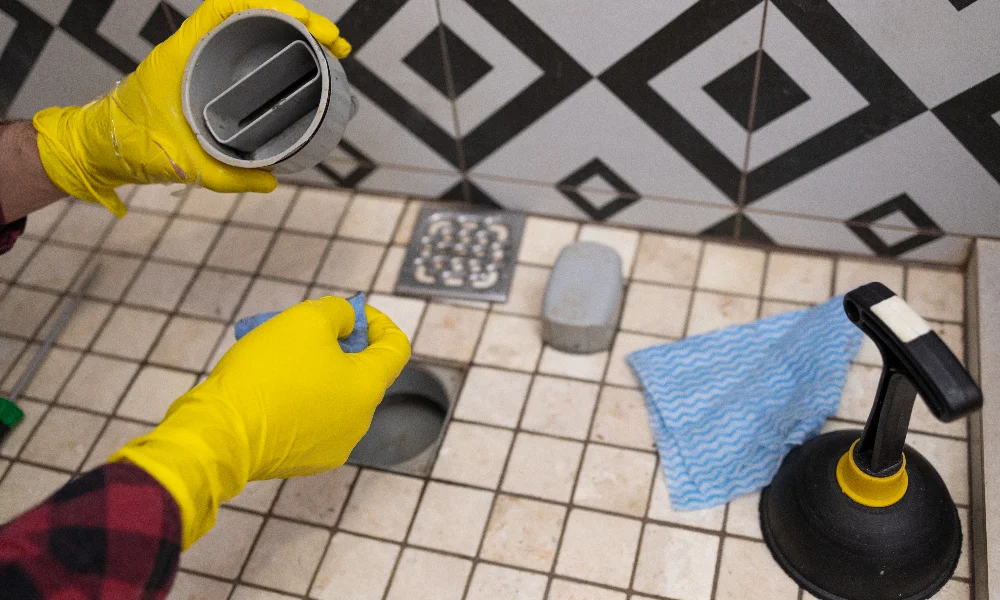
How to Prevent Drain Clogs Between Professional Cleanings
Keeping your drains clear between services depends on what goes into them each day and how consistently you maintain them. Even small amounts of grease, soap, and debris can stick to pipe walls and build up over time. Simple habits can reduce this accumulation and support steady water flow. Regular care also lowers the strain on your plumbing system and delays the need for frequent cleanings. When you stay consistent with prevention, your drains perform better and last longer.
Avoid Flushing Grease and Food Waste
Grease may look harmless when hot, but it cools and hardens inside pipes, which creates a sticky layer that traps food particles. Over time, this buildup restricts water flow and leads to stubborn clogs. Plumbing professionals consistently identify grease as a leading cause of kitchen drain blockages. Instead of pouring it down the drain, collect grease in a sealed container and dispose of it with solid waste.
Use Drain Screens and Filters
Drain screens act as a first line of defense by catching hair, food scraps, and debris before they enter your plumbing system. This simple tool significantly reduces the risk of internal buildup, especially in kitchen and bathroom drains. However, their effectiveness depends on regular cleaning, as clogged screens can slow drainage. Professionals recommend checking and clearing them every few days to maintain proper flow.
Flush Drains With Hot Water Regularly
Hot water helps loosen light grease and soap residue before they stick to pipe walls. This practice supports smoother drainage and reduces the chances of gradual buildup. However, it works best as a preventive step rather than a solution for existing clogs. Many plumbing experts suggest running hot water after heavy sink use, as it helps move debris further through the system.
Schedule Routine Inspections
Routine inspections allow professionals to identify hidden issues such as early buildup, minor blockages, or pipe wear before they escalate. These checks are especially important for older plumbing systems or homes with recurring drain problems. By staying proactive, you reduce the risk of sudden failures and costly repairs. Learning from common issues, such as those covered in this guide on sink drain problems in Hesperia homes, can also help you spot warning signs early and take timely action.
FAQs
Is Professional Drain Cleaning Worth It?
Yes, professional drain cleaning removes deep buildup that home methods cannot reach. It improves system efficiency and reduces emergency repairs. Over time, it saves money by preventing major plumbing issues.
Does Every Drain Need a Cleanout?
Not every drain has a cleanout, but many systems include them for easier access. Cleanouts allow professionals to inspect and clear blockages more effectively.
Homes without cleanouts may still be serviced using alternative access points.
What's The Strongest Way to Unclog a Drain?
High-pressure hydro jetting is one of the most effective methods. It uses water force to remove grease, debris, and buildup completely.
However, it should only be performed by professionals to avoid pipe damage.
Call Roto-Rooter Plumbers for Professional Drain Cleaning in Apple Valley, CA
Keeping your drains clean is not just about convenience. It protects your home from damage and keeps your plumbing system working efficiently. You now understand how often cleaning is needed, what signs to watch for, and what the process involves.
If you are dealing with slow drains or recurring clogs, it may be time to act. The team at Roto-Rooter High Desert offers reliable solutions tailored to your system’s needs. Schedule a professional inspection today and keep your drains flowing without interruption. Contact us now!