
Spotting Critical Sewer Line Blockages and Implementing Professional Drain Solutions Before Costly Damage Occurs
A clogged sink or a slow-draining shower is a nuisance, but a main sewer line clog is a true household emergency. Your main sewer line is the single underground pipe that carries all the wastewater from your home out to the city sewer or your private septic tank.
At Roto-Rooter, we know how stressful a sudden plumbing emergency can be for you and your family, especially when dirty wastewater has nowhere to go and begins backing up into your home’s lowest drains. Identifying the problem early can save you thousands of dollars in property water damage and prevent hazardous health conditions.
Unmistakable Red Flags of a Main Line Backup:
- Multiple Fixtures Clogging: If plunging the kitchen sink causes water to bubble up into your bathroom shower, the issue is deep inside the main line rather than an isolated drain.
- Gurgling and Bubbling Toilets: When you run the washing machine or turn on a bathroom faucet, trapped air fighting past a mainline obstruction will cause toilets to make strange noises.
- Sewage Odors Indoors or Outdoors: A distinct, foul sewer gas smell near your floor drains, basement, or out in your yard indicates waste is failing to move past a pipe restriction.
- Soggy Patches in the Yard: Unusually lush, green patches or mysterious puddles forming over your lawn mean your underground sewer line may already be cracked or completely overflowing.
The Dangers of Chemical Drain Cleaners and DIY Force:
- Pipe Corrosion: Harsh chemical liquid cleaners generate intense heat to dissolve organic material, which can warp or completely eat through older cast iron or clay pipes.
- Ineffective on Serious Blocks: These liquid chemicals rarely work on heavy tree root intrusions or deep structural pipe collapses.
- Safety Hazards: Chemical fixes leave you with a pipe full of highly corrosive, toxic standing water that can burn your skin upon contact.
- Equipment Risks: Trying to run a cheap, hardware-store rental snake down a cleanout without knowing what is inside the pipe can jam the cable or break the line entirely.
How Roto-Rooter Cleans the Pipe from End to End:
- Mechanical Drain Cleaning: Using heavy-duty, proprietary electromechanical sewer machines, our technicians slice completely through stubborn tree roots and dense obstructions, shaving them right down to the pipe walls.
- Advanced Hydro-Jetting Services: For heavy sludge, grease, or sand buildup, we blast the interior of your plumbing lines with high-pressure water to scour the entire pipe clean from end to end.
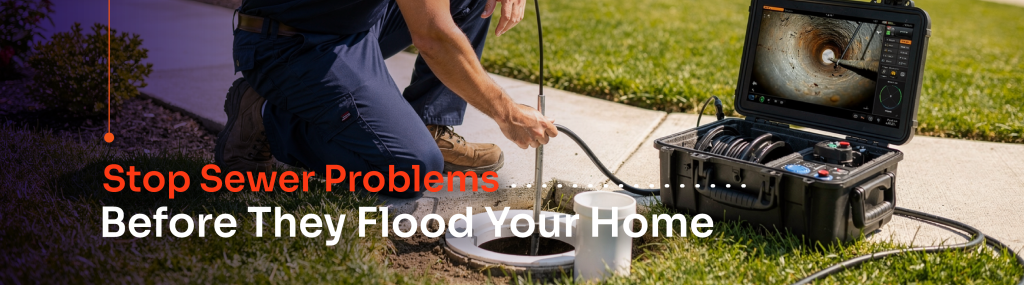
- Video Camera Line Inspection: We utilize waterproof drain cameras to see exactly what is causing the blockage—whether it's tree root infiltration, a bellied pipe, or broken joints—allowing us to fix the root cause.
- Reliable 24/7 Response: Because main line issues never wait for business hours, our local teams are available around the clock to prevent severe backup damage.
DON'T WAIT FOR A PLUMBING DISASTER!
If your drains are gurgling or backing up, every minute counts.
Frequently Asked Questions
What are the warning signs that my main sewer line is backing up?
The most common signs include multiple slow or backed-up drains at the same time, toilets that gurgle or overflow when other water appliances run, and foul sewage odors inside or outside the property.
Do I need a video camera line inspection?
Yes, if you have a recurring mainline issue. Roto-Rooter utilizes waterproof drain camera inspections to see exactly what is causing the blockage, eliminating any guesswork.
What is the difference between drain clearing and drain cleaning?
“Drain clearing” usually means punching a small hole in a clog to briefly get water moving. Roto-Rooter cleans the pipe from end to end, cutting out all debris, and we back our work with an industry-leading guarantee.
Are chemical drain cleaners safe to use on a main line?
No. Chemical cleaners are highly corrosive and can permanently damage your plumbing pipes. They are also completely ineffective against dense tree root systems or broken sewer lines.
Who is responsible for repairing a main sewer line?
As a property owner, you are responsible for the section of the sewer line that runs from your house up to the point where it connects to the city’s main sewer line in the street or to your septic tank.