
Septic systems quietly protect your home by safely treating wastewater underground. The drain field is the heart of this process, dispersing water into the soil. When it fails, many homeowners ask, “Can a septic drain field be repaired?”
In this guide, we’ll explore repair options, warning signs, causes of failure, prevention tips, and when full replacement is necessary. By understanding your system, you can save money and avoid major headaches.
Can a Septic Drain Field Be Repaired?
The question, “Can a septic drain field be repaired?” depends on the type and severity of the damage. Not every drain field problem requires full replacement. Minor blockages, soil clogging, or pipe damage can often be repaired. However, severe saturation or structural damage may demand a larger solution. Below, we summarize repair methods that professionals commonly use, from diagnostics to pipe replacement and field expansion.
How Professionals Fix a Failing Drain Field
1. Diagnosis of the Drain Field Problem
Technicians start with inspections using cameras, dye tests, and soil probes to identify the exact issue. Proper diagnosis prevents unnecessary digging and targets repairs effectively.
2. Jetting or Cleaning of Blocked Drain Lines
Blockages from sludge or roots can restrict wastewater flow. High-pressure water jetting clears these blockages and restores normal function.
3. Soil Aeration or Bio-Remediation Treatment
Compacted or biologically depleted soil may fail to absorb water. Aeration and beneficial microbes help restore soil function.
4. Replacement of Damaged or Collapsed Pipes
Broken or crushed pipes disrupt wastewater distribution. Replacing these sections often avoids a complete field replacement.
5. Redirection or Expansion of the Drain Field if Needed
In cases of saturated or limited soil, expanding or redirecting the drain field distributes wastewater more evenly and prevents recurring issues.
What Are the Signs of a Bad Drain Field?
Detecting problems early can save thousands of dollars. According to Luna Environmental Studies, failing septic systems can reduce property values by up to 20%. Warning signs include slow drains and frequent backups, standing water in the yard, foul sewage odors, and unusually green grass. Recognizing these helps homeowners address issues before major damage occurs.
Slow Drains and Frequent Backups in the Home
If toilets, sinks, or tubs drain slowly or back up often, wastewater may not be leaving the home effectively.
Standing Water or Wet Spots in the Yard
Puddles or persistently wet soil over the drain field suggest the soil is saturated and cannot absorb water.
Sewage Odor Near the Septic Area
A strong smell indicates untreated wastewater is surfacing, which can pose health risks.
Lush, Green Grass Growing Over the Drain Field
While green grass seems harmless, it often indicates excess moisture or nutrients surfacing from a failing field.
Septic tank cleaning helps prevent further damage to a bad drain field by removing solids before they reach it. However, it cannot repair damaged pipes, compacted soil, or saturated areas, so persistent problems still require professional repair or replacement.
Common Causes of Drain Field Failure
Knowing why drain fields fail helps prevent costly repairs. Problems often occur when the soil cannot properly absorb wastewater or when pipes are damaged.
Sludge and Biomaterial Buildup Blocking Soil Absorption
Solids that escape the septic tank can clog soil pores. Regular pumping reduces this risk.
Compacted or Saturated Soil Preventing Drainage
Heavy machinery, construction, or excessive rainfall can compact soil, making it difficult to drain.
Root Intrusion From Trees or Shrubs
Tree roots naturally seek water and can invade pipes, causing blockages and breaks.
Damaged Pipes or Crushed Drain Lines
Crushed or corroded pipes disrupt wastewater flow, which may require section replacement or full field repair.
Signs It’s Time To Replace the Septic Drain Field
Sometimes, repairs are not enough, and full replacement is necessary. Homeowners should watch for recurring failures, saturated soil, repeated backups, or old systems.
Recurring System Failures Despite Repairs
Multiple failed repairs indicate that the drain field may no longer function properly.
Soil Is Oversaturated or Permanently Clogged
If the soil cannot absorb water even after treatment, replacement is required.
Sewage Backups Occur Repeatedly
Frequent backups signal that the system is overwhelmed and likely beyond simple repair.
The System Is 25 Years Old or More
Older systems often suffer from deteriorating pipes and saturated soil. Learning how to replace a septic drain field helps plan for long-term maintenance and costs.
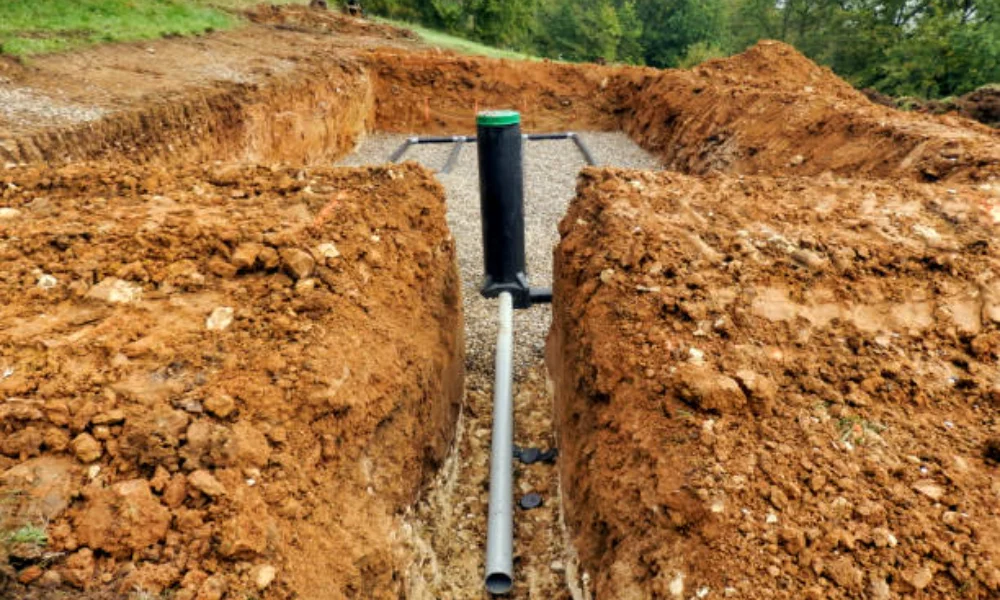
How To Prevent Drain Field Damage
Prevention extends drain field life and avoids expensive repairs. Key steps include pumping, protecting soil, conserving water, and managing landscaping.
Pump the Septic Tank Every 3–5 Years
Routine pumping removes solids before they reach the drain field.
Avoid Driving or Building Over the Drain Field
Heavy-weight compacts soil and can crush pipes. Keep the area free from vehicles and structures.
Conserve Water and Spread Out Laundry Loads
Excess water overloads the system. Spread laundry or dishwasher use over several days.
Keep Trees and Shrubs Away From the Drain Lines
Planting far from the drain field prevents root intrusion and pipe damage.
FAQs
What Is the Life Expectancy Of a Septic Drainfield?
Most drain fields last 20–30 years, depending on soil, use, and maintenance. Proper care can extend this lifespan.
How Often Should I Replace a Septic Drain Field?
Replacement depends on the system’s condition. Older fields or those with repeated failures typically need replacement after 25–30 years.
Call Roto-Rooter Plumbers and Septic Service for Professional Drain Cleaning in Apple Valley, CA
In conclusion, understanding the warning signs and causes of a failing septic drain field can help homeowners take timely action. While some issues can be repaired through cleaning, pipe replacement, or soil treatment, severe damage may require a full replacement. Regular maintenance and early professional intervention are key to protecting your system and avoiding costly repairs.
When you’re unsure about “can you repair a septic drain field”, trust Roto-Rooter Plumbers and Septic Service. Our team provides professional inspection, cleaning, repair, and replacement services. Don’t wait for small problems to become major issues. Schedule service today and protect your home’s septic system.