
You trust your tap water to be safe, but bacteria you cannot see can still be present. If you have been researching whether a system like reverse osmosis removes coliform bacteria effectively, you are already thinking about protecting your health. This matters because coliform bacteria often point to deeper contamination risks. In this guide, you will learn how reverse osmosis works, what it actually removes, and how to ensure your water is truly safe.
Does Reverse Osmosis Remove Coliform Bacteria?
Understanding how reverse osmosis removes coliform bacteria requires looking at both filtration capability and system limitations. Reverse osmosis systems use a semi-permeable membrane that blocks many contaminants, including some microorganisms. However, while the membrane can trap bacteria due to its small pore size, system performance depends on proper installation, maintenance, and additional filtration support. Bacterial reduction is possible, but complete removal is not always guaranteed without added disinfection methods.
What Coliform Bacteria Are and Why They Matter
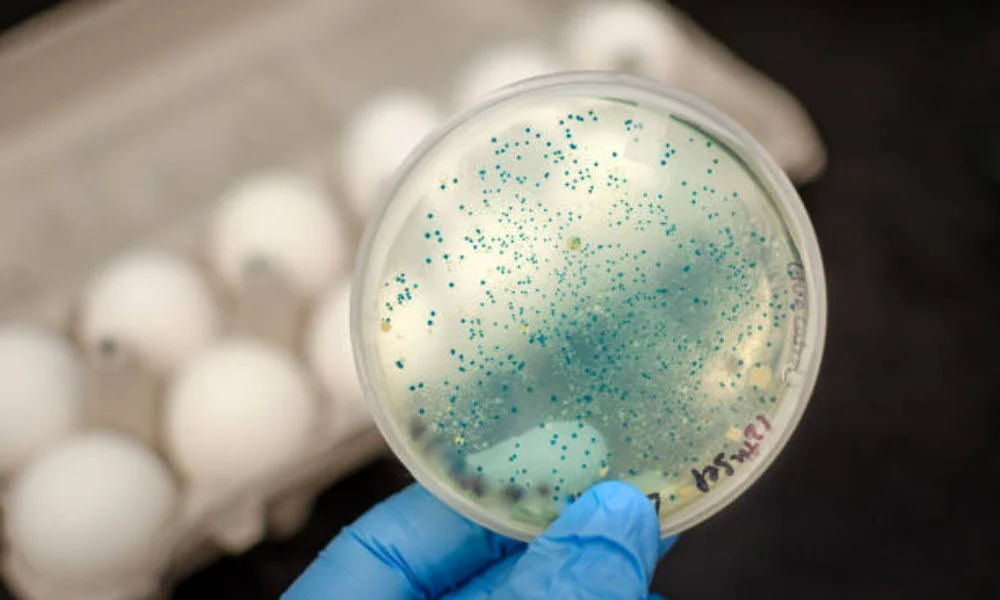
Coliform bacteria are commonly found in soil, vegetation, and animal waste. Their presence in water does not always mean direct harm, but it signals contamination. This is important because coliform bacteria act as indicators. If they exist in your water, harmful pathogens like E. coli may also be present. That raises safety concerns for drinking and cooking. According to the U.S. Environmental Protection Agency, coliform detection suggests potential pathways for disease-causing organisms.
Can Reverse Osmosis Remove Bacteria or Only Reduce Them?
Reverse osmosis membranes have pores as small as 0.0001 microns. This allows them to block many bacteria physically. However, no filtration system works perfectly under all conditions.
Small defects, improper sealing, or delayed maintenance can allow bacteria to bypass the membrane. This is why RO systems are considered highly effective for reduction, not full sterilization. To ensure safety, many professionals recommend pairing RO systems with UV purification. This combination both filters and disinfects water.
What Type of Contaminants Does Reverse Osmosis Remove?
Reverse osmosis systems are designed to improve water quality by removing a wide range of impurities. These systems target contaminants that affect taste, safety, and long-term health. Their efficiency comes from combining multiple filtration stages, which work together to reduce dissolved solids, chemicals, and particles. Knowing what your system removes helps you understand its overall value.
- Dissolved salts
- RO systems reduce salts that cause hardness. This helps improve taste and protects plumbing fixtures.
- Heavy metals
- Lead, arsenic, and mercury are filtered effectively. These metals can cause health problems with long exposure.
- Fluoride
- RO systems reduce fluoride levels, which may be helpful in areas with high concentrations.
- Chlorine and chloramine
- Pre-filters remove chlorine, improving taste and protecting the membrane from damage.
- Volatile organic compounds
- These chemicals often come from industrial runoff. RO systems reduce their presence in drinking water.
- Pesticides and herbicides
- Agricultural chemicals can enter groundwater. RO filtration helps lower exposure risks.
- Total dissolved solids
- RO significantly reduces TDS levels, improving clarity and taste.
- Microplastics
- These tiny particles are becoming common in water supplies. RO membranes can block many of them.
- Some bacteria and microorganisms
- This is where the question of whether reverse osmosis removes coliform bacteria becomes relevant, as RO can reduce certain bacteria but may require additional filtration for complete safety.
Do You Need Additional Filtration for Coliform Bacteria?
Reverse osmosis provides strong filtration, but bacterial contamination often requires extra protection. Additional systems can enhance safety and reduce the risk of harmful microorganisms. Combining technologies ensures that both physical filtration and microbial disinfection are addressed effectively.
When UV Purification Is Recommended
UV purification uses ultraviolet light to deactivate bacteria and viruses. It is highly effective when used alongside RO systems. This method works best in homes using well water or those with repeated contamination issues. It ensures that any bacteria passing through the filters are neutralized.
Role of Pre-Filters and Carbon Filters
Pre-filters remove sediment and chlorine before water reaches the RO membrane. This protects the system and improves efficiency. Carbon filters also improve taste while removing chemicals that can damage the membrane. Without proper pre-filtration, bacterial reduction may become less effective.
Whole-House vs Point-of-Use Systems
Whole-house systems treat all incoming water. These are useful when contamination affects the entire plumbing system. Point-of-use systems treat specific outlets, such as kitchen sinks. They are more affordable but limited to drinking water. Choosing the right system depends on your water source and risk level.
Causes of Coliform Bacteria in Water
Coliform bacteria can enter your water supply through several pathways. Identifying the source helps prevent recurring issues.
- Contaminated well water sources
- Private wells are more exposed to environmental contamination. Bacteria can enter through soil or nearby septic systems.
- Cracks or leaks in plumbing systems
- Damaged pipes allow outside contaminants to enter. Even small leaks can introduce bacteria into clean water lines.
- Poorly maintained filtration systems
- Old filters can trap organic material and become breeding grounds for bacteria. This reduces system efficiency.
- Environmental contamination from soil or wastewater
- Heavy rainfall or flooding can carry bacteria into groundwater sources. This is common in rural areas.
How to Prevent Coliform Bacteria Issues With Reverse Osmosis
Preventing bacterial contamination requires consistent care and monitoring. A well-maintained system performs better and protects your health.
Test Water Quality Regularly
Routine testing is the only reliable way to confirm if bacteria are present in your water. Certified lab tests or approved home kits can detect coliform levels before symptoms appear. This is how you catch contamination early and make informed decisions about filtration or disinfection.
Replace Reverse Osmosis Filters on Schedule
Filter performance drops as contaminants build up inside the system. Understanding how a reverse osmosis filter lasts depends on water quality, daily usage, and pre-filtration efficiency. Most prefilters need replacement every 6 to 12 months, while membranes may last 2–3 years. Delaying replacement can reduce the efficiency of bacterial removal.
Maintain and Sanitize the Entire Filtration System
Sanitizing the system removes biofilm, which is a thin layer where bacteria can grow inside filters and housings. Professionals recommend periodic system disinfection, especially during filter changes. This keeps the membrane effective and prevents bacteria from multiplying within the unit.
Protect Well and Plumbing Systems From Contamination
Water safety depends on both the filtration system and the plumbing network. Cracks in pipes, poor well sealing, or pressure drops can allow contaminants to enter. If you notice pressure changes or flow issues, it is worth reviewing this guide on fixing low water pressure:
https://www.rotorooterhighdesert.com/how-to-fix-low-water-pressure-in-your-victorville-home
Regular maintenance also helps extend the lifespan of a reverse osmosis filter, ensuring consistent water quality.
FAQs
How Long Does a Reverse Osmosis Filter Last?
The lifespan depends on water quality and usage. Pre-filters usually last 6 to 12 months, while membranes can last up to 3 years. Knowing how a reverse osmosis filter lasts helps avoid system failure.
How Long Can Coliform Bacteria Live in Water?
Coliform bacteria can survive from several days to weeks. Survival depends on temperature, nutrients, and water conditions.
What Happens If You Drink Water With Coliform Bacteria?
Some coliform bacteria are harmless, but their presence suggests the presence of possible pathogens. Drinking contaminated water can lead to stomach issues and infections.
What cannot Be Removed By Reverse Osmosis?
RO systems may not remove certain dissolved gases completely. They also do not kill bacteria unless used in combination with disinfection methods.
Call Roto-Rooter Plumbers for Water Filtration Systems Installation in Apple Valley, CA
The ability of reverse osmosis to remove coliform bacteria depends on system design, maintenance, and added protection like UV purification. RO systems can reduce bacteria effectively, but they work best as part of a complete filtration setup.
If you want reliable water quality, professional support is essential. Roto-Rooter High Desert can assess your water and recommend the right filtration solution. Our team ensures proper installation and maintenance, so your system works efficiently and safely for your home.