
You use your faucets and fixtures every day, but you only notice them when something goes wrong. A loose handle, a hidden leak, or low water pressure can quickly turn into a bigger problem if the setup isn’t done right. That’s why proper faucet and fixture installation matters more than it seems. It directly affects performance, water efficiency, and the lifespan of your plumbing. In this guide, you’ll learn how the installation process works, what tools are required, and the common issues you should watch for.
What Does Faucet and Fixture Installation Involve?
The process of faucet and fixture installation involves several precise steps that ensure proper alignment, secure connections, and leak-free performance. It involves several steps. Each step plays a role in avoiding leaks, maintaining water pressure, and ensuring durability over time.
Turn Off the Water Supply
Before any work begins, the water supply must be shut off completely. This prevents accidental flooding and protects surrounding cabinets and flooring. Most sinks have dedicated shut-off valves under them. If not, the main supply line must be closed.
Remove the Existing Faucet or Fixture
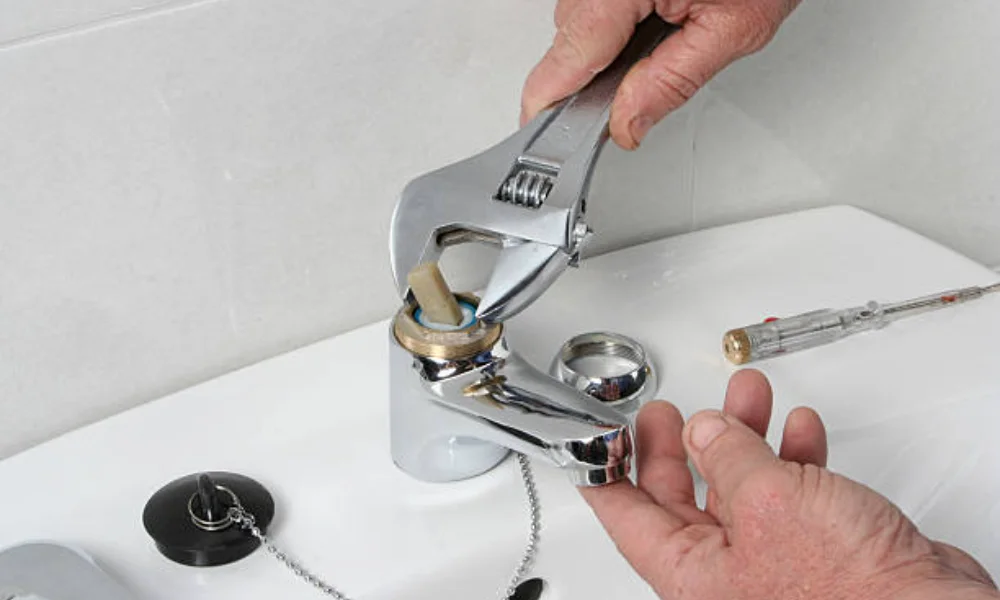
Old fixtures are carefully detached using appropriate tools. This step often involves loosening mounting nuts and disconnecting supply lines. Over time, mineral buildup can make removal difficult, which requires careful handling to avoid damaging the sink.
Prepare the Sink or Mounting Surface
The installation surface must be cleaned and checked for damage. Residue, rust, or old sealant can affect how well the new fixture fits. A clean, level surface helps ensure a tight seal and prevents future leaks.
Position and Secure the New Faucet or Fixture
The new fixture is aligned with the mounting holes and secured tightly. Proper positioning ensures stability and smooth operation. Incorrect alignment can lead to uneven pressure or loosened fittings over time.
Connect Water Supply Lines
Supply lines are connected to the faucet and tightened securely. Plumber’s tape is generally used to create a watertight seal. Loose connections are one of the most common causes of leaks after installation.
Test for Leaks and Proper Operation
Once installed, the water supply is turned back on to test functionality. This step checks for leaks, pressure balance, and smooth handle movement.
Even small drips should be addressed immediately, as explained in this guide on Roto-Rooter High Desert’s detailed resource on Why Do Faucets Leak.
Tools Needed for Faucet and Fixture Installation
Having the right tools makes installation smoother and reduces the risk of damage. Professional plumbers rely on specific equipment to ensure tight fittings and safe connections. Using proper faucet installation tools also improves efficiency and accuracy.
Basin Wrench
A basin wrench is usually designed for tight spaces under sinks. It helps loosen or tighten mounting nuts that are hard to reach. Without it, accessing these areas becomes difficult and may lead to improper installation.
Adjustable Wrench
This tool is used to tighten or loosen nuts and bolts of different sizes. It provides flexibility during installation. Proper tightening ensures that connections remain secure under water pressure.
Screwdrivers
Screwdrivers are needed for securing handles, mounting brackets, and other fixture components. Using the correct type prevents stripping screws and ensures a firm hold.
Plumber’s Tape (PTFE Tape)
This tape is applied to threaded connections to prevent leaks. It creates a tight seal between pipe joints.
Bucket and Towels for Water Runoff
Residual water often remains in pipes even after shutting off the supply. Buckets and towels help manage this safely. This prevents water damage and keeps the workspace clean.
Replacement Supply Lines if Needed
Old supply lines may not fit new fixtures or may be worn out. Replacing them ensures better compatibility and durability. New lines also reduce the risk of hidden leaks after installation.
Common Issues During Faucet and Fixture Installation
Even with the right tools, installation can become complex due to hidden plumbing conditions and precision requirements. Small misalignments, worn components, or incorrect sealing methods can affect performance over time. Many of these challenges are not immediately visible but develop with regular use. Understanding these problem areas supports more reliable and expert fixture installation results.
Corroded Mounting Hardware
Over time, mounting nuts and bolts can corrode due to moisture exposure. This makes removal difficult and increases the risk of breakage. In severe cases, parts may need to be cut or replaced entirely.
Worn or Damaged Supply Lines
Old supply lines may crack or leak when disturbed. This can lead to immediate or delayed water damage. Replacing them during installation is often a safer option than reusing them.
Improper Seal or Loose Connections
Incorrect use of sealing tape or loose fittings can cause leaks. These leaks may not be visible immediately, but can worsen over time. A proper seal ensures consistent water pressure and prevents damage.
Limited Access Under the Sink or Fixture Area
Tight spaces make it difficult to use tools effectively. This increases the chances of improper tightening or misalignment.
Professional plumbers are trained to handle such constraints efficiently.
Benefits of a Professionally Installed Fixture
Choosing expert fixture installation offers more than just convenience. It makes certain that your plumbing system functions efficiently and safely. Experts follow industry standards and use the right techniques to avoid common problems.
Proper Sealing and Leak Prevention
Professionals follow proven sealing methods based on pipe material and connection type, which reduces the risk of hidden leaks. They apply the correct amount of thread sealant and torque to avoid over- or under-tightening. In addition, they inspect valves, joints, and surrounding fittings to catch early signs of wear. This approach helps prevent moisture damage and long-term structural issues.
Correct Water Pressure and Flow
A trained plumber evaluates pressure levels and ensures the fixture is compatible with your system’s capacity. They adjust connections and check for restrictions that could reduce flow or cause uneven pressure. This not only improves daily usability but also protects pipes and fixtures from unnecessary stress. Balanced pressure supports consistent performance across the system.
Compliance With Plumbing Standards
Licensed plumbers work according to established plumbing codes and manufacturer guidelines, which ensure safe and approved installations. They understand local regulations, backflow prevention, and proper venting requirements. This level of compliance alleviates the risk of inspection failures and future liabilities. It also ensures your plumbing system operates safely under normal and high-demand conditions.
What Is a Plumbing Fixture?
A plumbing fixture is any device connected to a water system that delivers or drains water. These fixtures are quite imperative for daily activities such as washing, cooking, and cleaning. Understanding them assits you make informed decisions during installation or replacement.
Common Plumbing Fixtures Installed in Homes
Kitchen faucets
Used for cooking and cleaning, kitchen faucets often include features like pull-out sprayers and temperature control.
Bathroom faucets
These fixtures control water flow for sinks and are designed for both functionality and aesthetics.
Showerheads and shower valves
They regulate water pressure and temperature during showers. Proper installation ensures comfort and safety.
Bathtubs
Bathtubs require precise installation to ensure proper drainage and sealing.
Utility sinks
Often used in laundry rooms or garages, these sinks handle heavy-duty cleaning tasks.
FAQs
What Are Common Faucet Installation Mistakes?
Common mistakes include improper sealing, overtightening connections, and reusing old supply lines. These issues can result in leaks and reduced performance. Careful attention to detail helps avoid these problems.
How Long Does It Take a Plumber to Install a Bathroom Faucet?
A standard installation usually takes one to two hours. However, the time may increase if there are complications such as corrosion or limited access. Professional experience often reduces delays.
How Do You Know if a Faucet Will Fit Your Sink or Fixture?
You need to check the number of mounting holes and spacing on your sink. The faucet must match these specifications. Measuring before purchase helps ensure compatibility.
Call Roto-Rooter Plumbers for Expert Fixture Installation and Replacement in Apple Valley, CA
Proper faucet and fixture installation ensures your plumbing system runs smoothly and avoids unnecessary repairs. From turning off the water supply to checking for leaks, every step plays a role in long-term performance. Using the right faucet installation tools and addressing common issues early can make a big difference.
If you want reliable results without the risk of leaks or improper connections, trust Roto-Rooter High Desert for professional service. Our team understands local plumbing systems and delivers dependable, expert fixture installation tailored to your needs. Contact us today to schedule an inspection or upgrade your fixtures with confidence.