
A furnace gas leak is one of the most dangerous hazards that homeowners can confront. Gas is invisible, making it difficult to detect, despite the fact that its risks are significant, ranging from fire hazards to serious health issues. Whether you’ve recently moved into a new house or have been using the same heating system for years, knowing the reasons, warning signals, and prevention strategies will help keep your family safe and warm.
What Is a Furnace Gas Leak?
A furnace gas leak happens when natural gas or propane escapes from your heating system rather than being securely consumed during the combustion process. Because gas is odorless by nature, firms add a chemical called mercaptan, which gives it a rotten egg odor—your first indication that something is amiss.
How Furnaces Work and Use Gas
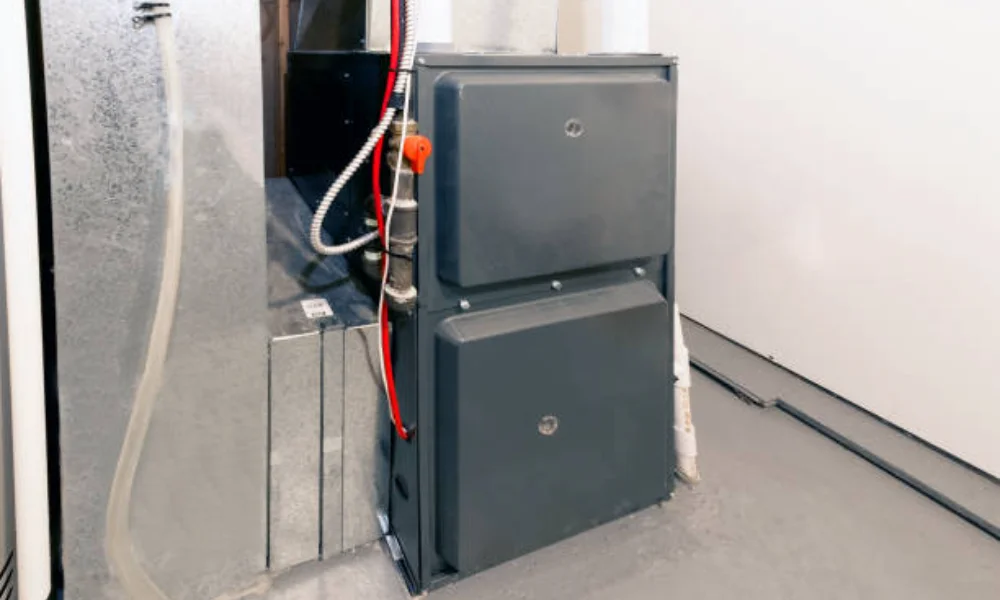
Furnaces emit heat by burning natural gas or propane in a sealed chamber. The heat exchanger transmits heat to the air, which circulates around your home. If any part of this sealed system becomes damaged or loose, it can result in your furnace leaking gas—posing serious safety concerns.
Common Reasons for a Furnace Leaking Gas
Cracked Heat Exchanger
The heat exchanger separates combustion gases from the air in your home. When it fractures due to age, corrosion, or poor maintenance, gas might escape into your home’s airflow.
Loose or Damaged Gas Lines
Over time, gas lines can loosen at their joints or corrode. Even a tiny crack can lead to your furnace leaking gas, creating both health and fire hazards.
Malfunctioning Gas Valve
The gas valve controls the amount of fuel that enters the furnace. If it sticks open or fails to seal correctly, gas can leak out even when the furnace is turned off.
Signs Your Furnace Has a Gas Leak
It’s vital to recognize furnace gas leak symptoms before the situation escalates. Pay attention to these warning signals and act quickly if you see any.
Rotten Egg Smell
A strong sulfur or rotten egg stench is the most prevalent sign of a furnace gas leak. This synthetic odor allows you to detect danger quickly.
Hissing Sound Near Furnace
If you hear a mild hissing or whistling sound near a gas line or furnace, gas may be escaping under pressure. Never try to fix something yourself.
Dead Plants or Pets Acting Strange
Indoor plants suddenly wilting or pets behaving oddly could signal toxic air from a furnace leaking gas. Animals are typically more sensitive to gas exposure than humans.
Headaches or Dizziness
Unexplained headaches, dizziness, or lightheadedness are early furnace gas leak symptoms. These arise when your body reacts to low oxygen levels.
Nausea or Fatigue
Prolonged gas exposure might leave you feeling weary, queasy, and even confused. If multiple persons in the house exhibit the same symptoms, evacuate immediately.
How Serious Is a Furnace Gas Leak?
Health Risks of Prolonged Exposure
Breathing in gas can cause major respiratory problems, confusion, and, in extreme situations, asphyxia. Long-term exposure can harm your neurological system and result in persistent fatigue.
Fire and Explosion Hazards
Gas is quite combustible. Even a slight spark from a light switch or phone might ignite leaking gas, resulting in explosions or flames. That is why safety experts consider every furnace gas leak an emergency.
Carbon Monoxide Poisoning Risk
Carbon monoxide (CO), while not the same as a gas leak, can develop when gas is burned inefficiently. It’s odorless and poisonous, making regular inspections even more important.
What to Do If Your Furnace Is Leaking Gas
1. Leave the House Immediately
Never second-guess your gut. If you fear your furnace leaking gas, get everyone out, including the dogs. Avoid switching switches or using your phone indoors.
2. Call Your Gas Company or 911
When you’re safe outdoors, call your local gas company or emergency services. They will turn off the main line and assess the area for leaks.
3. Turn Off the Gas Supply
In case you know where the main gas valve is and can safely reach it, turn it off. This helps to prevent further gas flow until professionals arrive.
4. Contact a Professional for Repairs
Never try to fix a furnace gas leak yourself. Only trained HVAC technicians have the necessary tools and training to safely address the issue.
How to Prevent Furnace Gas Leaks
Annual Furnace Maintenance
Never try to fix a furnace gas leak yourself. Only trained HVAC technicians have the necessary tools and training to safely address the issue.
Install Carbon Monoxide Detectors
CO detectors can notify you of incomplete combustion concerns. For optimal protection, place them near sleeping quarters and your heater.
Schedule Regular HVAC Inspections
An annual HVAC inspection can help prevent both performance and safety issues. A simple inspection can save you from expensive repairs and hazardous circumstances.
FAQs
Can A Leaking Furnace Cause A Fire?
Yes, it can. Escape gas is combustible, and a spark or pilot light can ignite it, resulting in a deadly fire or explosion.
Can A Very Small Gas Leak Make You Sick?
Even a modest furnace gas leak might cause minor symptoms such as nausea and dizziness. If not treated, it can lead to death.
Can You Stay In A House With A Gas Leak?
Absolutely not. If you suspect a furnace leaking gas, leave immediately and contact a professional. It is better to be safe than sorry.
Schedule an Inspection Today With Roto-Rooter Plumbers and Septic Service
You should not take chances with the safety of your home. If you observe any of the furnace gas leak symptoms, take urgent action. Regular inspections, upkeep, and timely repairs can help your furnace operate safely and effectively.
Roto-Rooter Plumbers and Septic Service’s licensed technicians specialize in identifying and repairing gas leaks. We employ innovative equipment to keep your home safe all year. Don’t wait for a minor leak to become a huge one; schedule your inspection immediately to keep your family safe.