
Most people worry that water will get into their basements during a heavy rainstorm. A sump pump can help in this situation. However, a recurring concern arises: how often should sump pump run during heavy rain? The answer is not as easy as a single number. It’s determined by a variety of elements, including soil type and pump capacity. If your pump runs too frequently, you may have complications. If it does not run frequently enough, water damage may occur. Let’s take it step by step and clear the air on sump pump performance during storms.
Why Sump Pumps Work Harder During Heavy Rain?
How a Sump Pump Protects Your Basement?
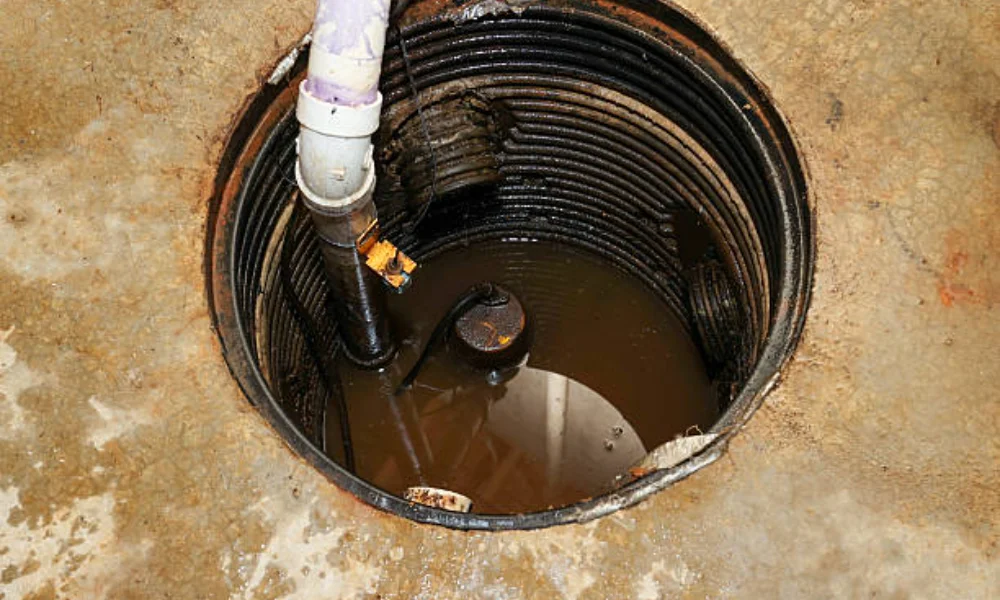
A sump pump serves as your basement’s guard dog. When water accumulates in the hole, the pump turns on and directs it away from the floor. Without it, precipitation might leak in, causing mildew, structural damage, and expensive repairs. Pumps work extra hard with heavy rain because the groundwater rises fast.
Factors That Influence Pump Activity
Soil Saturation And Drainage
Pump frequency is heavily influenced by soil conditions. Clay soil retains water, requiring the pump to operate often. Sandy soil drains more efficiently, so pumps operate less. Poor yard drainage might also increase pump load.
Pump Size And Horsepower
A tiny pump with little horsepower may operate more frequently. Larger pumps can handle higher water volumes with fewer cycles. Matching pump size to your basement’s requirements maintains equilibrium.
Rain Intensity And Duration
A brief shower may only activate the pump a few times. However, a protracted storm might cause it to flow continuously. The longer it rains, the more forcefully your pump must combat increasing water.
How Often Should a Sump Pump Run During Heavy Rain?
Normal Frequency vs. Overworking
So, how often should sump pump run during heavy rain? It should cycle every few minutes, depending on the water flow. If it runs every second or constantly, something may be amiss. Overworking reduces pump life and indicates potential drainage difficulties.
How Many Times a Day Is Considered Normal?
On a stormy day, a good sump pump may operate 20-30 times or more. This depends on how wet the ground is. However, running for hours on end is not typical. This is a red flag for examination.
How Much Water Should Trigger a Sump Pump?
Most pumps turn on when the water in the pit reaches a certain level, generally 6-10 inches. The pump shuts off when the water level falls below the float switch. This cycle keeps your basement dry without straining the pump’s motor.
Common Issues With Constantly Running Pumps
Sump Pump Running Constantly After Heavy Rain
If your sump pump running constantly after heavy rain, it might be because it is inadequate. Sometimes the discharge pipe becomes blocked, making the pump work harder. In other circumstances, water just overwhelms your body.
Sump Pump Keeps Running With No Rain
Another problem is that the sump pump keeps running no rain. This often indicates a blocked float switch or a malfunctioning check valve. It might also signify that groundwater is entering through a leak or an underground spring.
Can Heavy Rain Overwhelm a Sump Pump?
Warning Signs of Overwhelmed
Pump Runs Constantly During Heavy Rain
If your pump never stops, it’s sending a danger signal.
Water Level Still Rising in the Pit
Even with the pump running, the water continues to rise? That is an obvious indication of overburden.
Frequent Cycling On and Off
Short, frequent cycles wear the pump out rapidly.
Unusual Noises Indicating Strain
Unusual sounds such as grinding, rattling, or buzzing indicate pump stress.
Basement Water Seepage Despite Pump Running
If water seeps in even with the pump turned on, it’s time to update.
What To Do if the Sump Pump Is Overwhelmed
Install a Backup Power Source
Storms frequently create disruptions. A generator or battery backup keeps your pump from failing when you need it the most.
Redirect Water With Proper Diversion Systems
Gutters, downspouts, and French drains move rainfall away from your foundation.
Upgrade to a Larger Capacity Pump
If your pump is too tiny, a larger horsepower type will handle water more efficiently.
Add a Secondary or Backup Pump
When the primary pump fails, a secondary pump offers additional safety.
Improve Yard and Foundation Drainage
Grading and drainage improvements limit the quantity of water that enters your sump pit.
How to Keep Your Pump Running Smoothly
Regular Testing and Cleaning
Every month, pour water into the pit to test your pump. Clean debris to avoid blockages and jams.
Checking the Float Switch and Discharge Line
You need to ensure that the float switch can move freely. Check the discharge pipe for clogs or ice accumulation.
Installing a Battery Backup for Storms
When the power goes out due to a storm, having a battery backup provides piece of mind. It provides continual protection.
FAQs
Why Is My Sump Pump Running Every 10 Minutes After Heavy Rain?
This frequently indicates that the water table is still high. Check for drainage problems or consider pump improvements.
How Long Can A Submersible Pump Run Continuously?
Most submersible pumps can run for several hours. However, operating continuously for several days increases the danger of overheating and burnout.
Should There Always Be A Little Water In A Sump Pump?
Yes, a little water in the pit is usual. It helps to keep the pump seals wet.
Time to Wrap It Up
You now know the exact answer to how often should sump pump run during heavy rain. Pumps should cycle often, but not continually. Issues such as a sump pump running constantly after heavy rain or a sump pump keeps running no rain require prompt attention. With regular upkeep and appropriate renovations, your basement will remain secure and dry.
Roto-Rooter Plumbers and Septic Service specializes in storm-resistant sump pump repair and installation. Don’t wait until your pump fails—contact us immediately for experienced assistance. Visit us at Roto-Rooter Plumbers and Septic Service to secure your property with dependable solutions.