
How Often Should You Replace a Garbage Disposal?
A garbage disposal is a key part of any modern kitchen, handling food waste efficiently and keeping your sink free of debris. Over time, however, even the most durable units wear down, which can affect your home’s plumbing and kitchen hygiene. Knowing how to replace a garbage disposal helps homeowners prevent sudden breakdowns, expensive repairs, and kitchen hygiene problems. Here, you’ll learn the factors affecting disposal lifespan, signs it needs replacement, and practical tips to extend its life.
How Often to Replace a Garbage Disposal
Deciding when to replace a garbage disposal is not a one-size-fits-all answer. Several factors influence its lifespan, including how heavily you use it, the types of waste it processes, and your maintenance habits. Typically, disposals last between 8 and 15 years, but these variables can shorten or extend that timeline. Let’s explore the key factors affecting longevity, so you know when your unit might need attention.
Factors That Affect Disposal Longevity
A disposal’s lifespan depends not just on how often it’s used, but also on the type of food it processes, the water quality in your home, and how well it’s maintained over time. Being aware of these influences allows you to take proactive steps, like adjusting usage habits and performing routine care, to maximize efficiency and prevent costly kitchen disruptions.
Frequency of Use
The more often a garbage disposal is used, the faster its components naturally wear. Homes with multiple cooks or large families that produce a lot of food waste may need to replace the unit sooner. Occasional users, in contrast, can often extend their lives. Frequent usage stresses the motor and grinding components, which can eventually cause the disposal to lose efficiency.
Type of Waste Processed
Not all kitchen scraps are created equal. Fibrous materials like celery stalks, corn husks, or potato peels can tangle and strain the blades. Similarly, bones or fruit pits put extra stress on the motor. Using your disposal for tougher waste consistently can shorten its lifespan, meaning you might need to consider when to replace a garbage disposal sooner than average. Trusted home improvement sources recommend regular disposal care to avoid performance issues. A guide from This Old House explains that consistent cleaning and mindful use help prevent buildup and mechanical stress, which can reduce the risk of early disposal problems.
Maintenance and Cleaning Habits
A well-maintained disposal lasts longer. Regular cleaning, proper usage, and avoiding corrosive or hard materials prevent rust, motor failure, and clogs. Homeowners who neglect these practices often experience earlier breakdowns. Simple habits like running cold water during operation, avoiding grease, and cleaning with citrus or baking soda can make a significant difference.
When to Replace a Garbage Disposal
Even with proper maintenance, all disposals eventually wear out. Paying attention to changes in performance, unusual noises, or recurring clogs can help you address problems early. Recognizing these warning signs allows you to prevent more serious plumbing damage, avoid costly repairs, and ensure your kitchen remains safe and fully functional.”
Persistent Clogs or Slow Draining
Frequent clogs indicate the disposal may not be breaking down food efficiently. Over time, the blades dull or internal components corrode, slowing performance. Persistent backups can also signal hidden plumbing issues, and ignoring them could damage your sink drain.
Loud Grinding, Humming, or Rattling Noises
A noisy disposal is usually a sign of internal wear or foreign objects stuck inside. Loud humming can indicate the motor is struggling, while rattling may signal broken or misaligned components. These sounds typically worsen over time, showing that replacement is likely required.
Frequent Resets or Power Issues
If you constantly press the reset button or experience inconsistent power, the motor may be failing. Electrical issues combined with mechanical wear often mean repairs are no longer cost-effective.
Cracks, Leaks, or Rust on the Unit
Visible damage such as rust, leaks, or cracks in the disposal’s housing is a clear sign that it cannot maintain proper operation. Corrosion weakens the unit and can contaminate your kitchen plumbing, creating health and safety risks.
Repair vs. Replacement: How to Decide
Not every problem requires a new disposal. Evaluating the issue helps save money and avoid unnecessary replacements.
When Repairs May Be Enough
A plumber or homeowner can often fix minor jams, clogged pipes, or small leaks without full replacement. Simple fixes include clearing stuck food, replacing gaskets, or cleaning internal components. However, repairs are best for units under ten years old with minimal wear.
When Full Replacement Is the Better Option
If your disposal is over a decade old, has frequent breakdowns, or shows multiple signs of wear, replacement is usually the safest and most efficient choice. Modern disposals are more energy-efficient, quieter, and durable. In these cases, replacing the unit can save long-term maintenance costs and prevent plumbing emergencies.
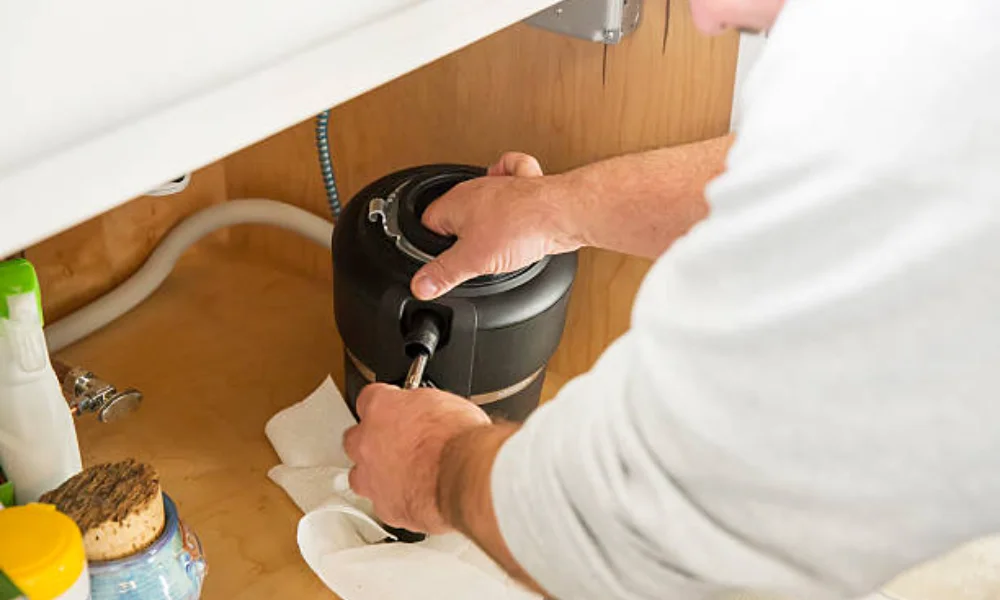
How Can You Extend the Life of Your Disposal?
Proper care and preventive habits can keep your garbage disposal running efficiently for many years, reducing the risk of sudden failures as well as costly replacements. Proper upkeep maintains optimal performance. It also reduces concern about how often you might need to replace a garbage disposal. This approach not only protects your investment but also helps prevent plumbing problems that could disrupt your kitchen routine.
Proper Food Waste Practices
Avoid putting fibrous foods, bones, coffee grounds, or grease into your disposal. These items strain the blades and motor. Chopping large scraps into smaller pieces also reduces stress and prevents jams.
Regular Cleaning and Odor Control
Cleaning the disposal monthly helps prevent odors and buildup. Using ice cubes and citrus peels or a specialized disposal cleaner keeps blades sharp and units sanitary. Cold water during operation also solidifies grease, reducing the risk of pipe clogs.
Avoiding Items That Damage the Unit
Metal, glass, or non-food items can destroy blades and motors. Educating family members about proper disposal use is key to extending life. Small precautions reduce mechanical wear and prevent costly repairs or early replacement.
FAQs
Can You Replace a Garbage Disposal Yourself?
Yes, you can replace a garbage disposal yourself if you have basic plumbing skills and the right tools. However, improper installation can lead to leaks, electrical hazards, or voided warranties. Many homeowners prefer professional installation to ensure safety and long-term performance.
How Long Does a Garbage Disposal Usually Last?
Most disposals last between 8 and 15 years, depending on usage, maintenance, and the type of waste. It is important to note that regular care can push a unit toward the upper end of this range.
What Are the Signs a Garbage Disposal Is Failing?
Persistent clogs, unusual noises, frequent resets, leaks, and rust are all clear indicators of a failing disposal. Monitoring these signs helps determine when to replace a garbage disposal.
How Often Should You Clean Out a Garbage Disposal?
Cleaning monthly is ideal for preventing odors, buildup, and corrosion. This habit improves efficiency and reduces stress, thereby shortening the disposal.
Call Roto-Rooter Plumbers and Septic Service for Garbage Disposal Replacement
If your disposal shows persistent problems, strange noises, or leaks, professional service is the safest choice. Roto-Rooter Plumbers and Septic Service provides reliable installation, maintenance, and replacement for all types of garbage disposals. Our team ensures your kitchen stays functional, clean, and safe. Learn more about protecting your home plumbing at Roto-Rooter Plumbers and Septic Service’s guide to effective drain cleaning in Hesperia, CA. Whether you’re considering a replacement or need emergency repairs, expert technicians can evaluate your unit and recommend the best solution.