
Have you seen white, crusty spots appear around your faucet? That’s calcium buildup on the faucets, which happens a lot when water is hard. Along with making your plumbing look old, these deposits can damage the tap and cut down on water flow over time. If you know how to prevent calcium buildup on faucets, you can avoid having to clean them often or buy new ones that cost a lot. Let’s look at some real-world ways to stop this issue before it happens.
How to Prevent Calcium Buildup on Faucets
Install a Water Softener
Installing a water softener is one of the best ways to prevent calcium buildup on the faucet. There is a lot of calcium and magnesium in hard water. A cleaner gets rid of these minerals, which keeps your faucets from getting deposits. Think of it as a long-term fix—less buildup means you won’t have to scrub as often, and the taps will last longer.
If your taps already have mineral layers on them, it’s important to know how to prevent calcium buildup on faucets after you remove the scale. After you put in the softener, check the water quality often to make sure it works right.
Use Faucet Aerators with Easy Cleaning Options
A lot of new taps have aerators that can be taken off and cleaned easily. These aerators help keep mineral deposits from building up. Pick ones that are easy to take off so you can quickly rinse them or soak them in vinegar when you need to.
This small change is a big part of knowing how to prevent calcium buildup on faucets, especially in places with very hard water. It’s a smart and easy thing to do to keep your faucet looking good and working well.
Regular Cleaning Routine
One quick wipe down can really make a difference. When you clean your floors regularly, the buildup doesn’t turn into spots that are tough to get rid of. At least once a week, clean it with a soft cloth and a light cleaner.
If you see light white spots, take care of them right away. They get tougher to clean after sitting for a while. If you stick to a plan, you won’t have to worry about how to remove calcium buildup on faucet on tap surfaces later. It’s always easier to stop something from happening than to fix it.
Choose Calcium-Resistant Fixtures
If you want to upgrade or replace old taps, pick ones that are made of stainless steel or chrome and have coats that protect them. Calcium and lime are less likely to stick to these elements. They don’t rust and stay shiny and clean for longer.
If you buy pieces that are immune to calcium, you won’t have to worry about how to prevent calcium buildup on faucets or taps in the future.
How to Remove Calcium Buildup on Faucets?
Even if you take care of yourself, some deposits may still get in. Simple, tried-and-true ways of how to remove calcium buildup on faucet are shown below.
Household Cleaning Solutions
Try these natural solutions before you buy expensive cleaners. They work well, don’t cost much, and are safe for most tap styles.
Vinegar Soak for Aerators
Take the tap aerator off its screw and soak it in white vinegar for 30 minutes. The calcium crystals are easy to rinse off because vinegar breaks them up. This trick is great for getting water to flow and shine back.
Baking Soda Paste for Tough Spots
Make a paste out of baking soda and water to get rid of tough buildup. Put it on the areas that need help, wait 15 minutes, and then use an old toothbrush to gently scrub them. You can get rid of thick calcium layers without scratching the tap surface with this eco-friendly process.
Lemon Juice for Natural Cleaning
Another great natural acid that breaks down calcium is lemon juice. Cut a lemon in half and rub the hurt area with the cut side. The citric acid breaks down the buildup, making your tap clean and smelling good.
Commercial Calcium Removers
When natural ways don’t work, buy a calcium remover from a store. To keep the finish from getting damaged, choose one that is made just for taps. Always do what the maker says and make sure you rinse well afterward.
When to Replace Faucet Parts
If the buildup has done a lot of damage to your faucet, you may need to get some parts replaced. If the aerators, cartridges, or handles get rusty, it can lower the water flow and cause leaks. Replacement keeps your water system healthy and makes sure it works well.
What Is Calcium Buildup?
Calcium builds up, which is also known as limescale, when hard water disappears and chemical layers are left behind. Figuring out what causes it will help you decide how to prevent calcium buildup on faucets more effectively.
Common Causes of Hard Water Deposits
High Mineral Content in Local Water Supply
The water in some places naturally has more calcium and magnesium than in others. The minerals in this water make deposits form more quickly.
Aging Plumbing or Water Lines
Mineral buildup can be caused by old lines. They let more minerals stick to tap surfaces as they rust.
No Water Softening System Installed
Minerals can easily move through your pipes without a water softener, settling on faucets and leaving behind a white film.
Irregular Cleaning or Maintenance
Minerals have time to form and stick to tap surfaces if you don’t clean them regularly.
High Water Temperature
More minerals are left behind because hot water evaporates faster. It might help to turn down the heat on your water heater.
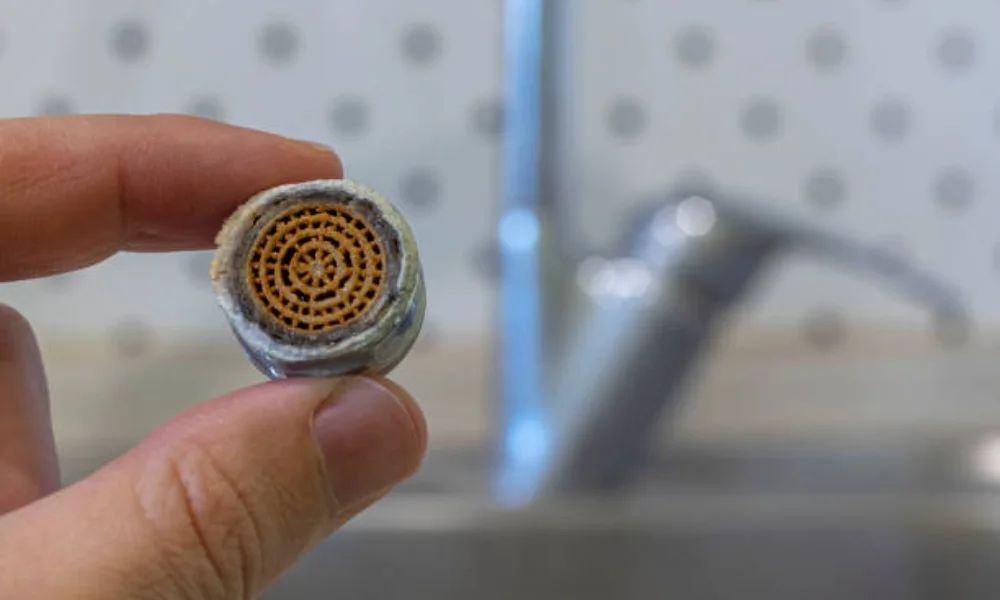
Signs of Calcium Buildup on Faucets
White, Chalky Residue
It’s easy to spot because there is a white or grayish crust around the faucet’s base, handles, or spout.
Reduced Water Flow
Mineral buildups often clog the aerator, making the water move slowly or unevenly.
Difficulty Turning Handles
If the handles on your faucet feel stiff or loud, buildup inside the parts could be to blame.
Contact Roto-Rooter Plumbers and Septic Service For Reliable Faucet Repair
It’s not as hard as it seems to stop and get rid of calcium buildup on faucet surfaces. Simple habits, like using a water softener, cleaning often, and picking high-quality fixtures, can help you get taps that look great and last longer.
If these tips don’t help and your tap still needs professional help, it may be time to call them.
Roto-Rooter Plumbers and Septic Service can fix your faucets, deep clean them, and keep your plumbing in good shape. Our skilled techs know how to remove calcium buildup on the faucet and get your fittings back to working order. Call for help today to keep your taps shining and avoid waiting for the problem to get worse.