
Septic tanks quietly handle your household wastewater every day, but their filters often go unnoticed until something goes wrong. If you’ve noticed slow drains, strange odors, or occasional backups, it could mean your cleaning septic tank filter routine has been neglected. Keeping this filter clear isn’t just about avoiding clogs; it protects your entire system and prevents costly damage to your drain field. Knowing how and when to maintain it ensures your home stays hygienic, safe, and worry-free. Let us uncover all these in this article.
Do Septic Tank Filters Need Cleaning?
Septic tank filters play an imperative role in keeping your system running smoothly by trapping solids before they enter the drain field. These filters act as gatekeepers, allowing wastewater to flow out while holding back particles that could cause clogs. Over time, however, trapped solids accumulate on the filter’s surface. This buildup can reduce water flow, forcing wastewater to back up into your pipes and causing slow drains, gurgling toilets, or even sewage odors near your home.
Regular cleaning septic tank filter maintenance ensure these solids don’t overwhelm the system. By keeping the filter clear, you not only maintain proper wastewater flow but also protect the drain field from unnecessary wear. When solids escape into the field, they can block soil pores, reducing absorption and potentially causing effluent to surface outdoors.
Maintaining your filter also supports the natural breakdown of waste inside the tank. Bacteria decompose solids that accumulate in the tank over time, but if the filter is clogged, this process slows, and untreated wastewater can begin to linger. This not only creates unpleasant odors but can also pose environmental hazards, contaminating soil or nearby water sources.
In short, regularly cleaning the septic tank filter is essential for efficient system operation, protecting your property, and avoiding costly emergency repairs. It’s a small step that prevents big problems and keeps your home’s wastewater system working safely.
How Often Should a Septic Tank Filter Be Cleaned?
Knowing how frequently to maintain your filter depends on several household and system factors. While some systems may only need annual cleaning, others may require more frequent attention. Here, we’ll break down the factors affecting cleaning schedules and the signs that indicate your system needs service.
Factors That Affect Cleaning Frequency
Household Size
The number of people living in a home directly affects how much wastewater your septic system must handle, which in turn affects how quickly solids reach the filter. According to the EPA’s onsite wastewater design data, a typical residential home produces about 45 gallons of wastewater per person per day, which can rise to 60–75 gallons depending on water use and fixtures. With more people generating wastewater, solids accumulate faster, which means cleaning the septic tank filter will be needed more often than in smaller households.
Water Usage Habits
How you use water inside your home also plays a major role in filter accumulation. Activities such as running multiple laundry loads per day, taking long showers, or frequent dishwasher use increase the rate at which solids are pushed through the tank. This can accelerate filter clogging and increase the risk of backups. Moderating water use or spacing out heavy water use can help reduce stress on your system and prolong the intervals between cleanings of the septic tank filter.
Type of Waste Entering the System
Not all wastewater is created equal. The composition of waste entering your septic system significantly influences how quickly the filter fills. Foods high in grease, fibrous materials, or non-biodegradable items like wipes or paper towels can rapidly accumulate on the filter. Homes that frequently dispose of cooking grease or large amounts of food waste may notice their filters require more frequent attention. In contrast, systems handling mostly liquid waste with minimal solids may extend the period between cleanings.
Signs Your Septic Tank Filter Needs Cleaning
Slow Drains Throughout the Home
When sinks, bathtubs, or showers drain noticeably slower than usual, it may indicate a partially clogged septic filter. Solids trapped on the filter restrict wastewater flow, which can eventually impact the entire system. Slow drains are widely recognized as an early warning sign of septic system issues, according to the U.S. Environmental Protection Agency’s guidance on identifying malfunctioning systems.
Gurgling Sounds From Toilets or Drains
Bubbling or gurgling noises in toilets, sinks, or floor drains often occur when air becomes trapped behind a partially blocked filter. This disrupts the normal flow and signals that your septic tank filter is located where wastewater encounters resistance. These noises are not only annoying but can also indicate a developing backup that could affect the drain field if left unaddressed.
Sewage Odors Near Drains or Outdoors
Persistent foul smells around sinks, toilets, or the outdoor drain field suggest that solids and effluent are not being properly filtered. These odors occur when wastewater is prevented from exiting the tank efficiently. Regular cleaning of the septic tank filter removes these trapped solids, helping prevent unpleasant smells and maintaining hygienic conditions around your home.
Frequent Toilet Backups or Overflows
Toilets that frequently clog or overflow are a clear warning that solids are accumulating in the filter. Ignoring these symptoms can quickly escalate into more severe backups, damaging pipes and potentially harming the drain field. Timely filter cleaning helps maintain proper wastewater flow and decreases the likelihood of expensive emergency repairs.
Wastewater Surfacing Near the Drain Field
If you notice effluent pooling near the drain field or in your yard, it signals a serious system obstruction. This can happen when solids bypass a clogged filter and block the soil absorption area. In such cases, professional septic tank filter cleaning is pivotal to prevent environmental contamination and protect your property and the local ecosystem.
How to Clean a Septic Tank Filter
Cleaning a septic tank filter involves careful steps to ensure safety and proper maintenance. Homeowners can perform this task if they follow the guidelines correctly, though caution is required.
1. Locate the Septic Tank Access and Outlet Filter
Start by identifying the septic tank lid and filter location. Your septic tank filter is located near the tank outlet, where treated wastewater flows into the drain field. Marking this access point helps establish a routine inspection schedule. For added safety, ensure the area around the tank is clear, level, and stable.
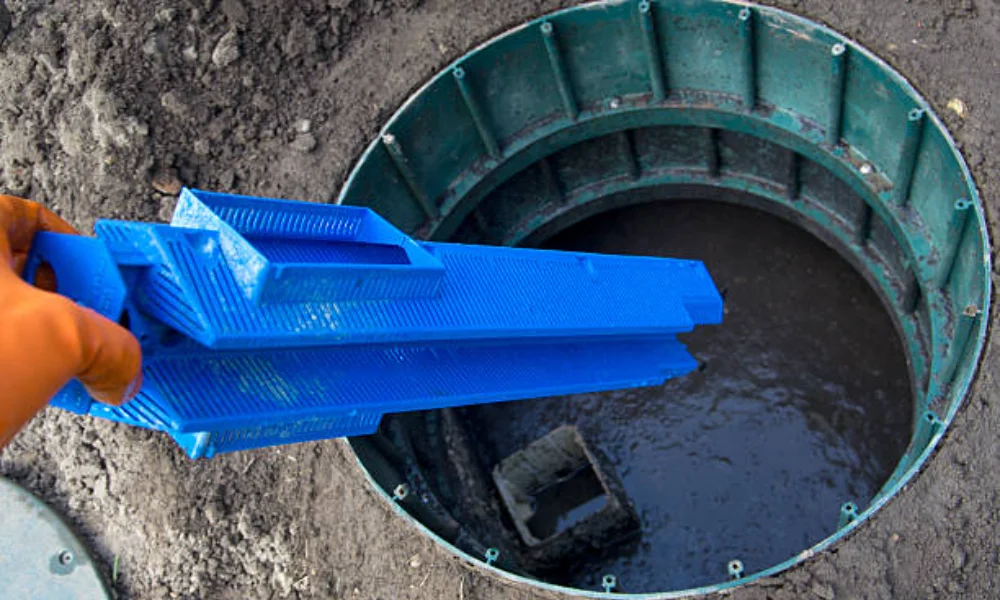
2. Remove the Effluent Filter
Once the access lid is opened, carefully lift out the effluent filter. Over time, it may accumulate significant amounts of solids, including grease, food particles, and other debris. Handling it cautiously prevents wastewater from splashing, which could pose a health risk. Wearing gloves and protective clothing is advised.
3. Rinse the Filter Back Into the Septic Tank
With the filter removed, rinse it gently using a garden hose. Hold it over the septic tank to allow debris to fall back into the system. Avoid using high-pressure washers or harsh brushes, as these can damage the filter’s mesh or plastic frame, reducing its effectiveness. Gentle rinsing preserves the filter’s integrity while removing enough solids to restore proper flow.
4. Inspect the Filter for Damage or Excessive Wear
After cleaning, carefully examine the filter for cracks, erosion, or signs of heavy buildup that cannot be removed by rinsing. A compromised filter can allow solids to pass into the drain field, potentially causing blockages and costly repairs. Replacing a worn filter promptly maintains system efficiency and prevents environmental hazards associated with untreated wastewater.
5. Reinstall the Filter
Place the cleaned and inspected filter back into its proper position within the outlet baffle. Ensure it is seated securely and aligned correctly, as misalignment can reduce flow efficiency or cause leaks. Proper installation is crucial to maintaining the protective barrier between the tank solids and the drain field.
6. Close and Secure the Septic Tank Access Lid
Finally, replace and securely tighten the septic tank lid. A properly sealed lid prevents debris, rainwater, or accidental intrusion from entering the tank, which could disrupt system function or lead to contamination. For tanks located near high-traffic areas, additional caution may be needed to prevent accidental damage to the lid.
Situations Where Professional Cleaning Is Recommended
While many homeowners can safely perform routine filter maintenance, certain situations go beyond standard care and require professional expertise. Attempting to clean a septic filter without the right tools or knowledge can lead to injury, damage to the system, or environmental contamination. Professionals bring specialized equipment, training, and experience to handle these challenges efficiently.
The Septic Tank Lid Is Buried or Unsafe to Access
If the tank lid is covered by soil, landscaping, or heavy objects, attempting DIY access can be risky. Professionals have the tools and experience to safely locate and clean the filter.
Sewage Odors, Overflows, or Active Backups Are Present
Persistent odors, standing sewage, or recurring backups indicate a more serious obstruction or tank problem. Licensed technicians can safely handle these situations without risk to their health.
The Filter Is Stuck, Damaged, or Hard to Remove
Filters may become lodged due to buildup or wear. In such cases, professional removal prevents breakage and ensures proper replacement if needed.
The System Includes Pumps, Alarms, or an Unclear Filter Location
Advanced systems with alarms or pumps require specialized knowledge. Professionals also know your septic tank filter is located when the layout is not obvious.
FAQs
Where Is My Septic Tank Filter Located?
The filter is typically near the tank outlet where wastewater exits toward the drain field. Access may vary depending on tank design and installation.
How Can I Tell If a Septic Tank Filter Is Clogged?
Signs include slow drains, gurgling toilets, odors, or wastewater surfacing near the drain field. Frequent monitoring is essential for early detection.
Can a Clogged Septic Filter Cause Drain Field Damage?
Yes. A clogged filter can cause solids to enter the drain field, reducing soil absorption and potentially leading to costly repairs.
Call Roto-Rooter Plumbers and Septic Service for Septic Tank Cleaning in Apple Valley, CA
Regular cleaning of the septic tank filter is essential to keep your septic system running efficiently. If you notice slow drains, odors, or backups, it may be time for a professional service. Roto-Rooter Plumbers and Septic Service specializes in septic tank cleaning, repair, and inspection. Schedule service with us now!
Also, how to repair your septic drain field and maintain a healthy system for years to come.