
If you’re setting up a new dishwasher or replacing an old one, the drain connection is where things often go wrong. A small mistake while installing dishwasher drain lines can lead to leaks, foul odors, or even dirty water flowing back into your appliance. Getting it right protects your kitchen and keeps your dishwasher working as it should. Here, we will shed light on how to install it correctly, where it should drain, what mistakes to avoid, and when expert help makes sense.
How to Install a Dishwasher Drain
Properly installing dishwasher drain connections involves more than attaching a hose. The connection must be tight at the dishwasher outlet, while the hose should be routed to prevent backflow using a high loop or air gap. It also needs to connect correctly to the disposal or drain line without causing pressure or alignment issues. Secure clamps help avoid hidden leaks, and proper testing ensures smooth drainage. When these elements are handled correctly, your system works safely and efficiently.
1. Connect the Drain Hose to the Dishwasher
First of all attach the drain hose to the dishwasher outlet. Most units have a designated port secured with a clamp.
Make sure the hose fits tightly, as even a small gap can cause leaks over time.
2. Route the Hose With a High Loop or Air Gap
Next, route the hose upward before connecting it to the drain system. This is called a high loop.
This setup prevents dirty water from flowing back into the dishwasher, which can contaminate clean dishes.
3. Secure the Hose to the Disposal or Drain Line
Connect the other end of the hose to either the garbage disposal or a sink drain tailpiece.
Ensure the connection point is clean and properly aligned to avoid future blockages or leaks.
4. Tighten Clamps and Check Connections
Use hose clamps to secure all joints firmly. Tight connections reduce the risk of leaks under pressure.
Double-check each connection point before moving forward.
5. Test for Leaks and Proper Drainage
Run a short dishwasher cycle and observe the drainage process.
Look under the sink for leaks and confirm that water flows out quickly without backing up.
Where Should the Dishwasher Drain?
Understanding where the dishwasher drains is essential for safe and code-compliant installation. The drain must connect to a proper waste line, but the setup also needs to prevent backflow through correct routing. It can connect to a garbage disposal, a sink drain tailpiece, or include an air gap, depending on your kitchen setup. Each option affects how efficiently water flows out and how well contamination is prevented. Choosing the right connection ensures reliable and hygienic drainage.
Connection to the Garbage Disposal
This is the most common setup in modern kitchens. The dishwasher hose connects directly to the disposal inlet.
However, you must remove the knockout plug inside the disposal before connecting, or water will not drain properly.
Connection to the Sink Drain Tailpiece
If you do not have a disposal, the hose connects to a dedicated dishwasher inlet on the sink drain pipe.
This method still requires a high loop or air gap to prevent wastewater from flowing backward.
Use of an Air Gap
An air gap is a small device that is installed on the sink or countertop. It creates a physical break in the drain line.
This is one of the most reliable ways to prevent contamination, and many building codes require it.
Common Installation Mistakes to Avoid
Even small errors during installation can lead to major plumbing issues. Skipping a high loop, leaving the disposal plug in place, or using loose hose clamps can quickly cause backflow or leaks. Improper hose length or kinks may also restrict drainage and create pressure problems. These mistakes often go unnoticed at first but lead to odors or water damage over time. Avoiding them helps your dishwasher run safely and efficiently.
Skipping the High Loop
Many people connect the hose directly without looping it upward. However, this allows dirty water to flow back into the dishwasher, which can contaminate dishes.
Failing to Knock Out the Disposal Plug
If you connect to a garbage disposal, the inlet plug must be removed first. If not removed, water cannot pass through, leading to immediate drainage failure.
Loose Hose Clamps
Loose clamps are a common cause of leaks under the sink. Always tighten clamps securely, but avoid over-tightening, which can damage the hose.
Improper Hose Length or Kinks
A hose that is too long may sag and trap water. A kinked hose blocks drainage. Keep the hose straight, properly supported, and at the correct length.
Signs the Dishwasher Drain Is Installed Incorrectly
Improper installation often shows early warning signs if you know what to look for. Water backing up into the dishwasher, slow drainage, or leaks under the sink usually point to routing or connection issues. Unpleasant odors can also develop when water gets trapped in the hose. These signs may seem minor at first, but they often indicate deeper problems. Identifying them early helps prevent costly repairs and damage.
Water Backing Up Into the Dishwasher
If dirty water returns after a cycle, it usually indicates a backflow prevention failure. This often happens when the high loop or air gap is missing or installed incorrectly. From a plumbing standpoint, wastewater should never reverse direction, so this issue signals a clear routing problem that needs correction.
Slow Drainage
Slow drainage typically points to restricted flow within the hose or connection point. Kinks, partial clogs, or improper slope can reduce water movement and strain the system. Over time, this can result in residue buildup inside the hose and affect overall dishwasher performance.
Leaks Under the Sink
Leaks under the sink often come from loose clamps, worn fittings, or misaligned connections. Even minor drips can cause cabinet swelling, mold growth, or structural damage if ignored. Proper sealing and secure connections are essential to maintain a dry and safe installation area.
Unpleasant Odors
Foul odors usually develop when wastewater remains trapped inside the drain hose. This can happen due to improper routing or a lack of proper elevation. Consistent water flow and correct positioning prevent stagnation, which is key to maintaining a clean and odor-free system.
When to Call a Professional for Dishwasher Drain Installation
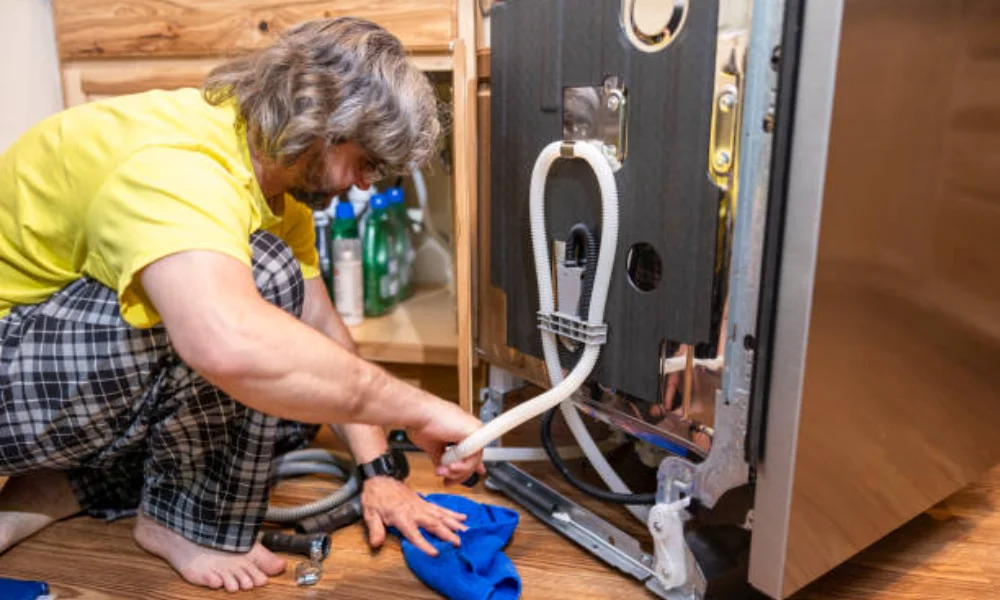
Some situations require professional expertise. If your setup is complex or problems persist, it is safer to call a licensed plumber. This ensures compliance with local codes as well as prevents costly damage.
No Existing Drain Connection Under the Sink
If your sink lacks a dedicated dishwasher inlet, the setup requires modifying existing plumbing lines. This often involves cutting pipes and adding approved fittings, which must meet local code standards. A licensed plumber ensures proper alignment, secure joints, and long-term reliability without risking leaks or pressure issues.
Persistent Leaks After Installation
If leaks continue even after tightening connections, the issue may go beyond simple fittings. Worn seals, incorrect hose sizing, or hidden misalignment can cause recurring problems. An expert can accurately diagnose the root cause and correct it before it leads to water damage.
Drainage Issues Affecting Multiple Fixtures
When both the sink and dishwasher drain slowly, the problem often lies deeper in the main drain line. This indicates a partial blockage or buildup that affects overall flow capacity. Professional inspection helps identify whether cleaning, repair, or replacement is required.
Local Plumbing Code Requirements for Air Gaps
Many regions require air gaps to prevent cross-contamination in household plumbing systems. These regulations are based on safety standards designed to protect the clean water supply. A professional ensures your installation complies with local codes and passes inspection without issues.
FAQs
Does a Dishwasher Drain Need an Air Gap?
Not always, but many local codes require it. It provides the highest level of backflow protection compared to a high loop.
How Should a Dishwasher Waste Pipe Be Positioned?
The pipe should be elevated in a high loop or connected through an air gap. This positioning prevents wastewater from re-entering the dishwasher.
Does a Dishwasher Drain Need To Be Elevated?
Yes, elevation is important. It helps maintain proper flow direction and prevents contamination.
Why Does Proper Drain Routing Prevent Backflow in Dishwashers?
Correct routing creates a barrier between clean and dirty water. This stops wastewater from flowing backward into the appliance.
Contact Roto-Rooter for Expert Dishwasher Installation in Apple Valley, CA
Installing dishwasher drain connections requires attention to detail and knowledge of plumbing standards. From secure hose connections to correct routing, every step plays a role in preventing leaks and ensuring smooth drainage.
If you want peace of mind, trust the experienced team at Roto-Rooter High Desert. We understand local plumbing systems and handle installations with precision. Whether you need a new setup or help fixing an existing issue, our professionals can ensure your dishwasher works safely and efficiently. Reach out to us today to get expert help and avoid costly mistakes.