
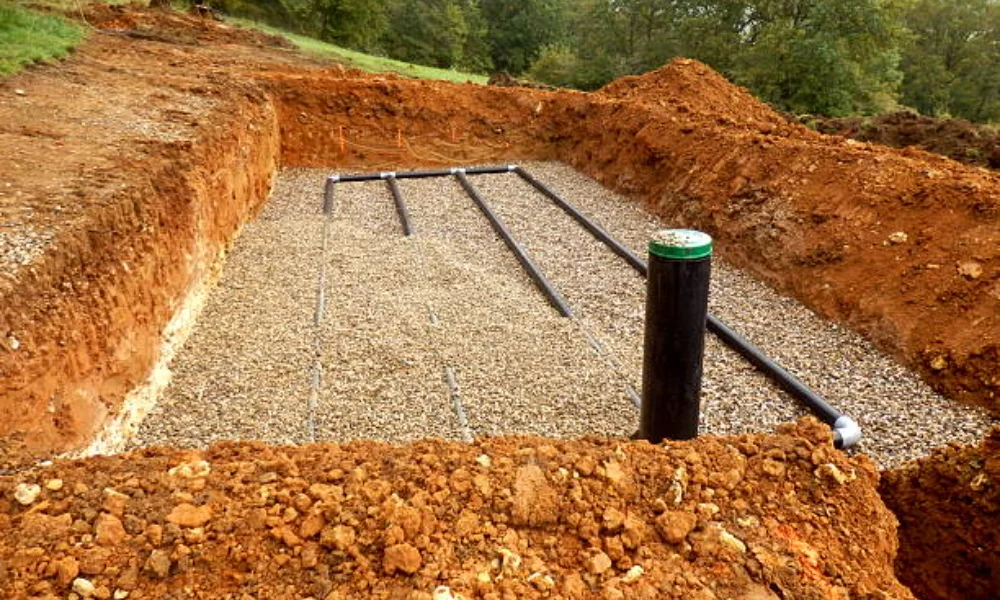
Your septic system depends on a hidden component that most homeowners rarely think about until a problem arises. At some point, you may ask where your septic drain field is located and whether it could be affecting your yard, home projects, or system performance. This underground area plays a critical role in treating wastewater, yet its location is often unknown.
This guide explains how drain fields are typically positioned, the subtle signs that indicate their location, and the situations where professional assistance is the safest option.
Where Is My Septic Drain Field?
Your septic drain field is usually buried in a quiet, open area of your yard, but its exact spot depends on several factors. Placement is based on soil behavior, legal codes, and safe distances from buildings and water sources. These elements work together so wastewater can filter properly, protect groundwater, and keep your home safe. Understanding these influences helps you narrow down likely locations before searching further.
Factors That Affect Placement
Drain fields are never placed randomly. They follow strict planning rules based on how water moves through soil, where structures sit, and what local authorities allow. Each factor limits placement options, which helps explain why your drain field sits where it does.
Soil Type and Drainage Conditions
Soil must absorb and treat wastewater at a controlled rate. Sandy soil drains faster, while clay drains slowly and needs more space. Engineers test soil before installation, which strongly influences the location of the drain field.
Local Codes and Regulations
Health departments set rules for septic layouts. These rules control setbacks, system size, and soil approval. Installers must follow them, which often limits drain fields to specific yard areas.
Distance From Water Sources and Buildings
Drain fields stay far from wells, streams, and foundations. This spacing protects drinking water and prevents structural damage. These required distances narrow down possible locations on your property.
How Do I Locate My Septic Drain Field?
You need patience and keen observation to find your septic drain field. Also, avoid guesswork. Records, visible yard changes, and plumbing paths often reveal its position. Using these methods together gives a clearer picture and reduces risk during your search. This approach is the safest way to determine where your septic drain field is located without damaging the property.
Use Property Records and Septic System Diagrams
Start with paperwork from your home purchase or local health office. Many permits include septic diagrams. These sketches show tank and drain field placement relative to your house.
County offices often keep these records on file. Requesting them saves time and prevents unnecessary digging.
Signs on the Lawn That Reveal the Drain Field
Your yard can show subtle signs of a drain field. Grass growth and soil feel often differ above underground pipes. Observing these clues helps narrow the search area.
Greener Grass or Faster Growth in Certain Spots
Wastewater adds moisture and nutrients to soil. Grass above the drain fields may look greener or grow faster. This pattern often follows long, narrow lines.
Soil That Feels Softer or Wetter
Drain fields release treated water into the soil. The ground above may feel spongy, especially after heavy use. This texture change often appears in dry weather.
Trace Plumbing and Septic Tank Lines
Septic tanks sit close to homes. Drain fields extend outward from the tank’s outlet. Following this path helps you estimate direction and distance.
Plumbers use cleanouts or pipe paths to trace flow. This method reduces guesswork when locating underground components.
What Mistakes Should I Avoid When Searching for My Drain Field?
Searching without care can damage your system or violate local rules. Some mistakes increase repair risks and legal trouble. Avoiding these errors protects your property and your septic system.
Digging Randomly Without Guidance
Random digging can crush pipes or disturb soil layers. Even shallow damage can affect drainage. Septic repairs are costly and disruptive.
Always gather information before disturbing the ground. Observation and records come first.
Ignoring Local Septic Regulations
Local rules control digging near septic systems. Violations can lead to fines or required repairs. Regulations exist to protect health and water quality.
Check guidelines before any excavation. This step prevents legal issues later.
Overlooking the Importance of Professional Help
Some systems are hard to trace. Professionals use tools to safely locate components. Ignoring expert help can worsen problems.
When uncertainty remains, expert assistance saves time and money.
When Should I Call a Professional to Locate My Drain Field?
Certain situations make professional help the safest option rather than a convenience. When records are missing, systems are older, or warning signs appear, guessing can damage pipes or worsen existing issues. Licensed professionals understand soil behavior, system layouts, and local regulations, which allows them to locate drain fields accurately while protecting your property and avoiding costly mistakes.
Properties Without Clear Records
Older homes often lack septic diagrams. Moreover, records may be lost or inaccurate. Here, professionals can help. They rely on equipment instead of guesswork.
Older Septic Systems or Complicated Layouts
Older systems may not follow modern layouts. Additions and repairs can change pipe paths. These factors complicate location efforts.
Evidence of System Failure
Slow drains, odors, or soggy yards suggest problems. Locating the drain field helps diagnose issues quickly. Early action prevents larger failures.
Tools That Professionals Use to Find a Drain Field
Licensed septic professionals rely on specialized, non-invasive tools that are designed specifically for underground wastewater systems. These tools allow them to locate drain fields without collapsing pipes, disturbing soil absorption zones, or damaging system components. Because professionals understand how septic systems were historically installed and how soil behaves over time, they can interpret tool readings accurately and reduce the risk of unnecessary repairs or system failure.
Soil Probes
Soil probes help professionals identify changes in soil density caused by original drain line trenches. Experienced technicians know how to distinguish natural soil variation from septic excavation patterns, which prevents false readings. When used correctly, probing allows location confirmation without wide digging, preserving the integrity of the drain field and surrounding soil.
Pipe Cameras and Locators
Pipe cameras are inserted through access points to follow the path of septic lines from the tank outward. As the camera moves, electronic locators track its signal from above ground, providing precise depth and direction information. This combination allows professionals to map drain field lines accurately, even in older systems or properties with complex layouts, without resorting to guesswork that could damage the system.
Professionals also assess repair options when issues appear. This resource on whether a drain field can be repaired explains what may be possible based on system condition:
https://www.rotorooterhighdesert.com/can-a-septic-drain-field-be-repaired
Why Do I Need to Know the Location of My Drain Field?
Knowing the location of the drain field protects your investment. It prevents damage, supports maintenance, and helps with planning. This knowledge keeps your septic system working longer.
Preventing Accidental Damage to the Drain Field
Driving or building over a drain field compacts soil. Compaction reduces drainage and causes failure. Knowing the location prevents heavy use in that area.
Ensuring Proper Maintenance and Inspections
Regular inspections require access to system components. Knowing locations saves time during service visits. Maintenance works best when areas remain undisturbed.
Planning Home Additions or Landscaping Projects
Additions, patios, or trees can interfere with drain fields. Roots and weight damage pipes. Planning around the field avoids future repairs.
Homeowners often ask how to locate septic drain field areas before starting projects. Using records and visual signs reduces mistakes.
FAQs
Are Septic Tank Locations Public Record?
In many areas, septic permits are public records. Local health departments usually store them. However, access rules vary by county, so you need to check locally.
What Are the Signs of a Septic Drain Field Problem?
Common signs include slow drains, foul odors, and wet patches. Lush grass during dry periods can signal trouble. These symptoms need professional evaluation.
Get Professional Septic Drain Field Help From Roto-Rooter Plumbers and Septic Service
Knowing where your septic drain field is helps protect your home and septic system. You learned how placement works, how to spot clues, and when experts are needed. If records are missing or problems appear, professional help is the safest choice.
Roto-Rooter Plumbers and Septic Service understands local soil, regulations, and system designs. Our team uses proper tools to locate drain fields without damage. If you need accurate answers or suspect septic issues, contact Roto-Rooter Plumbers and Septic Service for reliable guidance and service.