Roto-Rooter Plumbers & Septic Service
Sump Pump Run Times & Troubleshooting in the High Desert
When a monsoon downpour rolls across the desert, your sump pump is the last line of defense. Here's how often it should really run, what's normal after a storm, and how to tell when it's about to quit.
Call us at (760) 245-2947& Insured
24/7/365
Guarantee
The Quick Answer
What "Normal" Looks Like
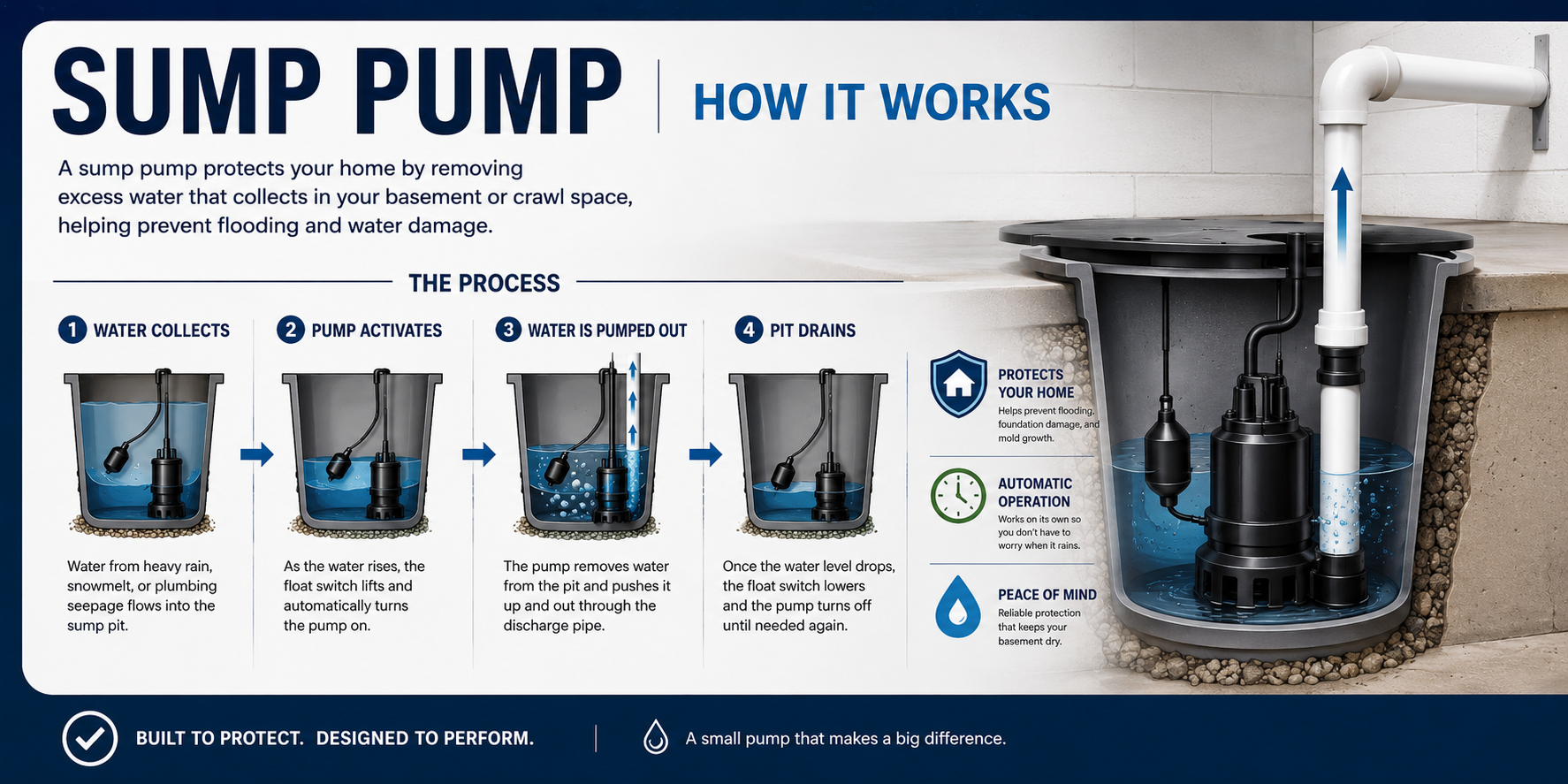
A healthy sump pump runs only when it's needed. In dry weather it can sit idle for days — then cycle steadily when groundwater rises. Here are the numbers to measure yours against.
Per cycle
A single healthy cycle clears the pit, then shuts off.
Between cycles
A comfortable rest interval in normal conditions.
Starts per hour max
More than this strains the motor and shortens its life.
OK after a big storm
It can run on and off for days as soil drains — with breaks.
For a deeper look at storm-season behavior, see our guide on how often a sump pump should run during heavy rain.
It Depends on the Weather
How Often Should It Run?
Rarely — and that's good
- It may not run for days or weeks at a time
- When groundwater rises, expect roughly 30 minutes between cycles
- Constant running in dry weather points to a mechanical problem, not normal use
Every few minutes
- Cycling every 2–10 minutes during a downpour is normal
- It should still pause 30–45 seconds between cycles
- Turning on and off every 30–60 seconds (short-cycling) is a warning sign

After a Desert Downpour
Still Running Days Later?
Usually, that's fine. After a heavy storm, saturated soil keeps bleeding water into the pit for two to three days — so a pump that keeps cycling is doing its job, not failing.
Worry only if it runs nonstop with no breaks, the water level in the pit isn't dropping, or the motor feels hot to the touch. Those point to a stuck float, a failed check valve, or an undersized pump — time to call.
Pump Won't Rest? Call Us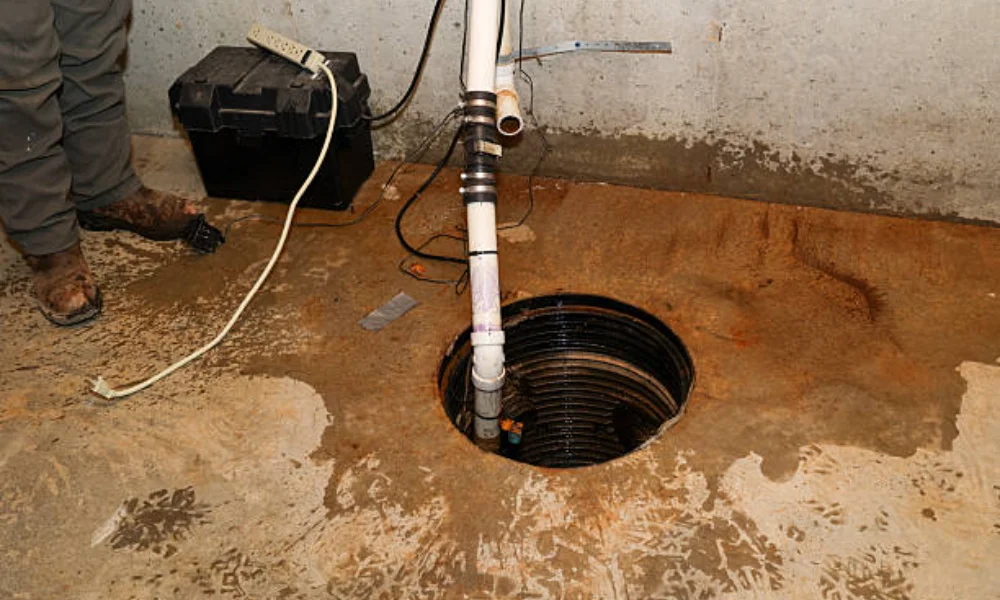
Troubleshooting
Why Won't My Sump Pump Stop?
There's a fast way to narrow it down: look at the water level in the pit. The answer is almost always one of two things.
The float switch is stuck
- Vibration shifted the pump and pinned the float against the wall
- The float tangled in its own power cord
- Either way, the switch is locked in the "on" position
The pump can't keep up
- A failed check valve lets pumped water rush back in
- A clogged inlet screen or broken impeller kills its pumping power
- Or the pump is simply undersized for the inflow
A running pump that's also leaking? See what to do about a leaking sump pump.
Catch It Early
Signs Your Sump Pump Is Failing
A sump pump usually fails quietly — you find out when the floor is already wet. Watch for these before storm season hits.
Grinding or rattling
Worn bearings, a damaged impeller, or debris in the housing.
Erratic cycling
Switching on and off every few minutes even when it's dry.
Running nonstop
Hours of continuous running with an empty pit burns out the motor.
Standing water
Motor hums but the water won't drop — lost pumping power.
Age past 7–10 years
Most units are near end-of-life by then, especially after heavy use.
Visible rust or odor
Rust on the unit or a musty smell signals corrosion and trouble.
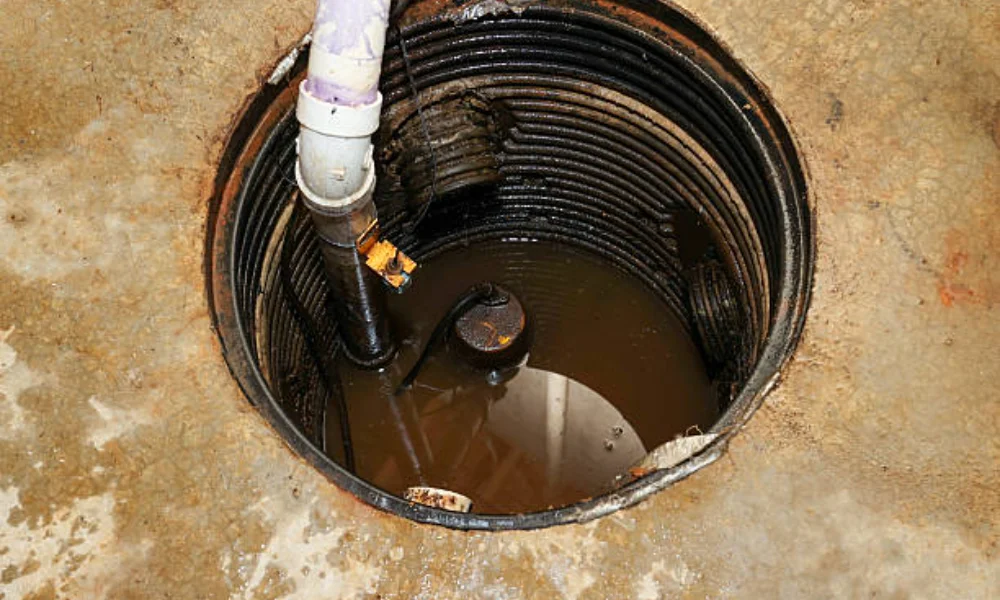
Test it twice a year: pour a five-gallon bucket of water into the pit and confirm it kicks on and clears the basin cleanly. Spring and late summer — right before the rains — are the times to do it.
Right-Sizing
What Size Pump Do You Need?
Most homes are well served by a 1/3 to 1/2 HP pump. If you sit at the base of a slope, have heavy clay soil, or a high water table, step up to 3/4 HP for the extra capacity.
For desert homes that flood fast in a monsoon, a battery backup is the smartest add-on there is — it keeps the pit clear if the power drops mid-storm, which is exactly when you need it most.
Talk to Us About SizingAsk About Current Specials & Financing
We run seasonal discounts and offer flexible financing on pump replacements and backups. Reach out and we'll walk you through what's available.
What Drives the Cost
Repair or Replace?
Sometimes it's a quick fix; sometimes the pump is past saving. A few things decide which way it goes.
What failed. A stuck float or worn check valve is a small fix; a burned-out motor usually means replacement.
The pump's age. Past 7–10 years, repairs rarely pay off versus a new, reliable unit.
Horsepower & type. Higher-capacity and backup-equipped systems cost more than a basic primary.
Adding a backup. A battery backup is extra up front but cheap insurance against a flooded home.
Want a real number? We'll diagnose the pump and give you a straight repair-or-replace answer — with financing available on bigger jobs. Contact us for pricing, current specials, and options.
Get Your Free EstimateQuestions, Answered
Sump Pump FAQ
How often should a sump pump run?
Only when it's needed. In dry weather it may sit idle for days; when groundwater rises it should cycle roughly every 30 minutes, running 1–3 minutes each time, with no more than about 4–10 starts per hour.
How long should a single cycle last?
Around 10–30 seconds in light conditions, up to 1–3 minutes during heavy water flow. Cycles under 10 seconds (short-cycling) or running over two minutes in mild weather both signal a problem worth checking.
Is it normal for my sump pump to run constantly after heavy rain?
Often, yes — for two to three days, as saturated soil keeps draining into the pit. It's only a concern if it never pauses, the water level isn't dropping, or the motor is overheating.
Why won't my sump pump shut off?
Check the pit. If it's empty, the float switch is usually stuck or tangled. If it stays full, suspect a failed check valve, a clogged inlet, a broken impeller, or a pump that's undersized for the inflow.
How do I know my sump pump is failing?
Listen and look: grinding or rattling noises, erratic or nonstop cycling, standing water while the motor runs, visible rust, and any unit past 7–10 years old are all signs it's near the end.
What size sump pump do I need?
Most homes use 1/3 to 1/2 HP. A high water table, heavy clay soil, or a low-lying lot calls for 3/4 HP, and a battery backup is strongly recommended for desert storm season. Contact us and we'll size it for your home.
Explore More
Services, Guides & More
Storm Season Is No Time to Gamble
Whether your pump is short-cycling, running nonstop, or just getting old, our High Desert team will test it, fix it, or right-size a new one — available 24/7/365.
Get In Touch
Schedule a Sump Pump Check
Tell us what your pump is doing and we'll get a technician out to test and service it before the next storm. Proudly serving Apple Valley, Victorville, Hesperia, Phelan, and the entire High Desert.


