Roto-Rooter Plumbers & Septic Service
Septic System Care in the High Desert
From Apple Valley to Phelan, thousands of High Desert homes run on septic. Here's how to keep yours healthy, spot trouble early, and know exactly who to call when something's wrong.
Call us at (760) 245-2947& Insured
24/7/365
Guarantee
The Basics
Four Pillars of a Healthy Septic System
A septic system is a living, working treatment plant buried in your own yard. Out here in the High Desert, sandy soil and decades-old tanks mean the difference between a system that lasts 30 years and one that fails in 10 usually comes down to four simple habits.
Inspect & Pump
Have the system inspected about every three years and pumped every three to five, based on tank size and household.
Use Water Wisely
Fix running fixtures and spread out laundry. Less water means less strain on your drain field.
Mind What Goes Down
Toilets aren't trash cans. Skip wipes, grease, and harsh chemicals that kill the bacteria doing the work.
Protect the Field
Keep vehicles, structures, and deep-rooted trees off the drain field, and divert roof runoff away from it.

Want the full walkthrough? Read our complete guide to caring for your septic system and grab the septic maintenance checklist.
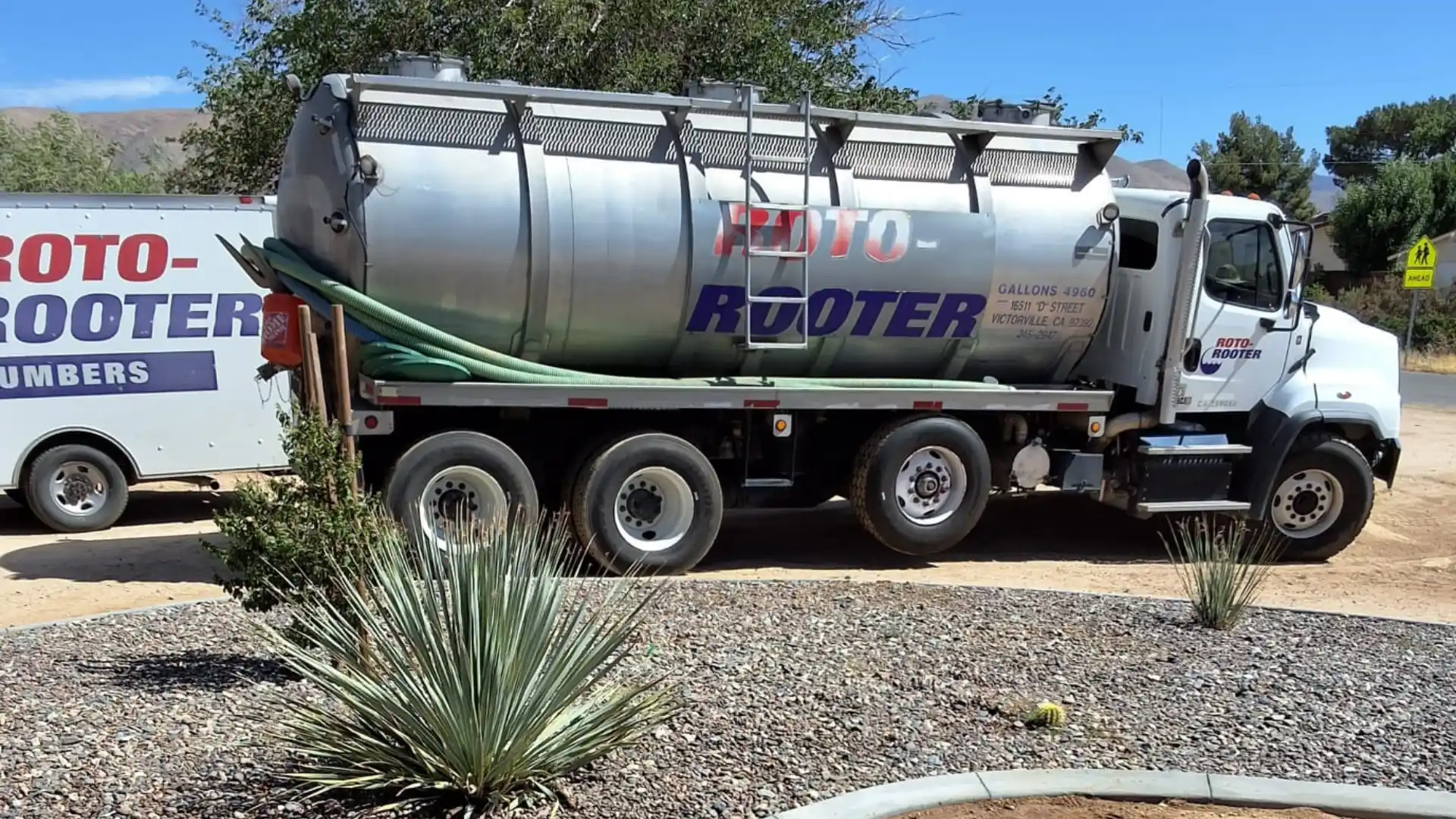
Pumping Schedule
How Often Should You Pump?
The standard is every three to five years, but the real answer depends on how many people live in the home and how big the tank is. The more wastewater you generate, the faster solids build up. When yours is due, our septic tank pumping service handles it — and our guide on how the pumping process works covers what to expect.
| Household Size | Pump Every |
|---|---|
| 1–3 people | 4–6 years |
| 3–6 people | 3–5 years |
| 6–10 people | 2–4 years |
Warning Signs
Is Your Septic System Failing?
A failing system rarely quits overnight — it warns you first. Catching these signs early can be the difference between a routine repair and a full drain field replacement.
Soggy ground & lush grass
Spongy soil or unusually bright green grass over the tank or field — even in dry desert weather — means effluent is surfacing.
Slow drains & gurgling
Sinks, tubs, and toilets that clear sluggishly or gurgle point to a backup building somewhere in the line.
Odors & backups
A persistent sewage smell in the yard, or raw waste backing up into low drains, signals the system can't keep up.
Well or water changes
If your home uses a private well, rising bacteria or nitrate levels can trace back to a failing nearby field.
Drain Field Repair
Can a Saturated Drain Field Be Saved?
Often, yes. As long as the pipes themselves haven't physically collapsed, a clogged field can frequently be rehabilitated without tearing up your whole yard. The enemy is usually biomat — a slimy bacterial layer that plugs the soil's pores. If you're already seeing standing water or soggy ground, here's exactly what to do about a saturated leach field.
Rehabilitate the field
When the structure is sound, restoration buys years of life:
- Mechanical rejuvenation — soil fracturing and hydro-jetting scour the lines and crack compacted soil so it can absorb again.
- Biological treatment — professional-grade bacteria and enzymes break down the biomat barrier.
- System shock & pumping — fully pumping the tank relieves pressure and lets the field rest and dry.
When replacement is unavoidable
Some systems are past saving:
- The field has surpassed its typical 25–30 year service life.
- Distribution lines are crushed or have structurally collapsed.
- Repeated rehab attempts no longer hold flow.
We'll always tell you honestly which side of that line your system is on — and handle the full septic repair or installation either way.
What Drives the Cost
What Affects Septic Service Pricing
No two septic jobs are identical, so the fairest answer is a straight one: it depends on your system. A few things move the needle most.
Access to the lid. Buried tank lids that need digging add labor — a permanent riser solves it for good.
Tank size. Larger tanks hold more and take longer to service.
Pumping vs. cleaning. A full septic tank cleaning that scrubs hardened sludge is more involved than a routine pump-out.
Condition. Repairs to baffles, filters, or risers found during service affect the scope.
Want a real number for your property? We give clear, upfront answers — and we offer flexible financing options. Contact us for pricing and financing details.
Get Your Free Estimate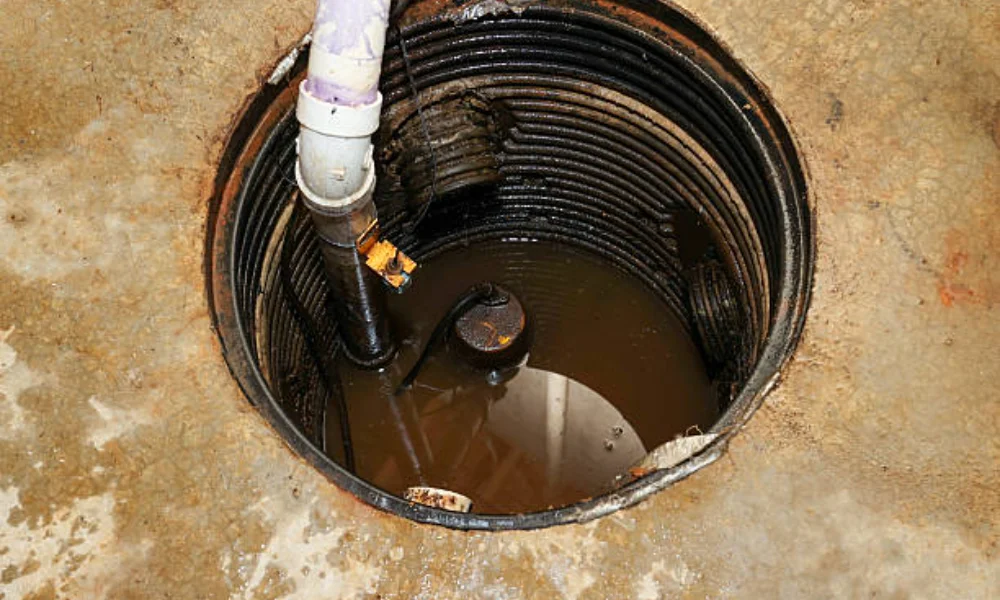

Buying or Selling a Home
Septic Certification for Escrow
Selling a High Desert home on septic? A standard home inspection usually isn't enough. Most lenders, escrow officers, and California counties require an official septic certification before a title can close — and it has to be performed by a licensed contractor.
Licensed inspection
The evaluation is performed by a properly licensed sanitation contractor so the paperwork holds up with lenders and the county.
Tank & component test
We expose the lids, pump the chambers, check the walls for cracks, and confirm the inlet and outlet baffles are intact.
Hydraulic loading test
Water is run into the system to simulate real use. If wastewater backs up instead of draining, the field hasn't passed.
The certification report
A passing system gets a photo-verified report for your lender. If something fails, you receive a clear list of what to repair to clear escrow.
Questions, Answered
Septic FAQ
How do I know if my septic tank is full and needs pumping?
The classic signs are slow drains, gurgling pipes, sewage odors, water pooling in the yard, or a strip of dark, lush grass over the tank or field. If you're seeing any of these, don't wait — call before it backs up into the house.
What happens if I never pump my septic tank?
Solids eventually overflow the tank and flow into the drain field, permanently clogging the soil. That turns an inexpensive pump-out into a full field replacement — one of the most costly repairs a septic owner can face.
Can I use bleach if I have a septic system?
Normal household amounts of laundry bleach are fine. The problem is heavy use or pouring raw bleach down the drain, which kills the bacteria your tank depends on to break down waste.
Can a clogged or saturated drain field be repaired?
Often, yes — as long as the pipes haven't collapsed. A mix of tank pumping, hydro-jetting the lines, and biological treatment can clear the biomat and restore flow, frequently adding years of life before replacement is needed.
Do I need a septic certification to sell my home in California?
State law doesn't impose a universal requirement, but most lenders, escrow companies, and individual counties do require an official septic certification before closing. For practical purposes, plan on one.
How long is a septic certification good for?
It varies by lender and county, but most honor a certification for roughly six months to two years from the test date. Check the specific requirements for your transaction.
What does septic service cost?
It depends on tank size, access, and whether you need a routine pump-out or a full cleaning and repairs. We give clear, upfront pricing and offer flexible financing — contact us for details on your specific system.
Explore More
Septic Services & Helpful Guides

Your High Desert Septic Experts
Routine pumping, drain field repair, or an escrow certification — one trusted, licensed team for it all, available 24/7/365.
Get In Touch
Schedule Your Septic Service
Tell us what's going on with your system and we'll get the right technician out to you. Proudly serving Apple Valley, Victorville, Hesperia, Phelan, and the entire High Desert.


